Orforglipron: The New Daily GLP 1 Pill Everyone Is Talking About
Author
Date Published
- Twitter
- Facebook
- LinkedIn
- Instagram
- Copy Link

There is a lot of buzz about a “GLP-1 pill that might replace shots.”
That pill in the headlines is called orforglipron.
Orforglipron is a once daily GLP-1 pill that is still in clinical trials. It is being studied for obesity and type 2 diabetes and has not been approved by the U.S. Food and Drug Administration (FDA).
This article is general education, not medical advice. Any treatment decisions should be made with a licensed clinician.
What is orforglipron?
Orforglipron is a small molecule GLP-1 receptor agonist. That means it acts on the same GLP-1 receptor as injectable drugs like Ozempic, Wegovy, Mounjaro, and Zepbound, but it is built as a pill instead of a protein that must be injected.
Key points:
- It is designed as a once daily oral pill.
- It is non peptide, so it can be taken by mouth and absorbed through the gut.
- It is meant to be taken without strict timing rules around food or water, which is different from the current oral GLP-1 pill, semaglutide (Rybelsus) (New England Journal of Medicine).
In simple words: orforglipron aims to give GLP-1 type effects in a pill form that feels more like a regular daily medication than a special fasting-pill routine (New England Journal of Medicine).
What do studies show so far?
Researchers have tested orforglipron in several large clinical trials. These include people with obesity, people with both obesity and type 2 diabetes, and people with type 2 diabetes alone.
1. Orforglipron in adults with obesity (no diabetes)
A 72 week study called ATTAIN-1 looked at adults with obesity or overweight and weight related health problems, but without diabetes (New England Journal of Medicine).
In this trial:
- Participants taking orforglipron lost about 7% to 12% of their starting body weight on average, depending on the dose.
- People taking placebo lost about 2%.
- Blood pressure, cholesterol, waist size and inflammatory markers also improved (New England Journal of Medicine) (Eli Lilly ATTAIN-1 release).
The safety pattern looked similar to other GLP-1 medicines, mostly stomach related side effects (New England Journal of Medicine).
A news report on the same study noted that weight loss flattened out over time for many participants by the end of 72 weeks, which is also something seen with injectable GLP-1s (Reuters obesity trial report).
Earlier phase 2 work also showed weight loss around 9% to 15% at 36 weeks in adults with obesity, depending on dose, with similar GI side effects to injectable GLP-1 drugs (New England Journal of Medicine) (PubMed phase 2 summary).
2. Orforglipron in adults with obesity and type 2 diabetes
Another trial, ATTAIN-2, focused on adults who had both obesity and type 2 diabetes. Results were recently published in The Lancet (The Lancet) and highlighted by a large academic center news release (UTHealth Houston).
In this study:
- Orforglipron helped people lose more weight than placebo.
- Blood sugar levels improved and A1c dropped more on orforglipron than on placebo.
- Blood pressure and cholesterol also moved in a healthier direction.
- Side effects were again mainly nausea, vomiting, diarrhea and constipation, similar to other GLP-1 medicines (The Lancet) (UTHealth Houston).
A1c is a blood test that shows average blood sugar over about three months, so a lower A1c usually means better diabetes control.
3. Orforglipron in adults with type 2 diabetes
For type 2 diabetes, a group of phase 3 studies called ACHIEVE looked at how orforglipron affects blood sugar.
In one phase 3 trial published in the New England Journal of Medicine (New England Journal of Medicine), adults with type 2 diabetes took orforglipron for 40 weeks.
Results included:
- A1c fell by about 1.3% to 1.6% on orforglipron, which is a strong drop for a diabetes medicine (New England Journal of Medicine).
- Many people reached an A1c close to the usual goal for diabetes care.
Participants also lost weight in a dose related way.
Company reports and news coverage of additional phase 3 trials in diabetes found:
- Orforglipron improved blood sugar more than some standard treatments like dapagliflozin (Farxiga).
- Combining orforglipron with basal insulin led to even larger A1c reductions.
- Weight loss and improvements in cardiovascular risk factors were seen across several doses (Eli Lilly glycemic control release) (Reuters diabetes trials report) (Reuters 40 week diabetes trial report).
The overall picture so far is that orforglipron tends to lower A1c meaningfully and provide moderate to strong weight loss in adults with type 2 diabetes.
How does orforglipron compare with injectable GLP-1s?
Direct head to head trials with the strongest injectables are limited, so any comparison has to be careful.
Based on current public data:
- In obesity trials, average weight loss with the highest dose of orforglipron is around 11% to 12% over 72 weeks (New England Journal of Medicine) (Eli Lilly ATTAIN-1 release).
- Trials of injectable GLP-1s like Wegovy and Zepbound have shown higher average weight loss in some studies. Analysts have noted that orforglipron’s results are strong but not the very top of the class for weight loss alone (Reuters obesity trial report).
On the other hand, orforglipron is a pill, does not require injections, and does not need a strict empty stomach routine. That could make treatment feel easier for people who strongly prefer pills (New England Journal of Medicine) (Eli Lilly ATTAIN-1 release).
Because of these differences, experts tend to describe orforglipron as a future option in the GLP-1 toolbox, not a replacement for every injectable GLP-1.
Safety and side effects so far
Across multiple studies, orforglipron’s side effect pattern looks similar to other GLP-1 medicines.
Common side effects:
- Nausea
- Vomiting
- Diarrhea
- Constipation
- Stomach discomfort
These are most common when doses are started or increased. In the large obesity trial, about one in ten people on the highest dose stopped the medicine because of side effects, compared with about one in forty on placebo (New England Journal of Medicine) (Reuters obesity trial report).
Other safety notes:
Small average increases in heart rate were seen, similar to injectable GLP-1 drugs (National Institutes of Health review).
No cases of medullary thyroid cancer were reported in the main obesity trial, but this type of rare risk usually needs many years of follow up to fully understand (New England Journal of Medicine) (Reuters obesity trial report).
Liver enzyme changes were carefully checked and alternative causes were found in cases of concern, which is important because another company’s oral GLP-1 candidate had liver safety issues (Reuters obesity trial report) (Reuters danuglipron report).
Open questions:
- Long term safety in older adults, who often have more medical conditions and take more medications.
- Long term effects on heart attack, stroke and kidney outcomes.
- Real world tolerability when people outside of clinical trials take the medication for years (ClinicalTrials.gov long term safety) (ClinicalTrials.gov cardiovascular outcomes).
Because of these open questions, regulators still treat orforglipron as an investigational medicine and have not granted FDA approval.
Regulatory status and timing
As of November 24, 2025:
Orforglipron is not FDA approved for any use.
A large obesity trial (ATTAIN-1), a diabetes plus obesity trial (ATTAIN-2) and several type 2 diabetes trials have all reported positive phase 3 results (New England Journal of Medicine) (The Lancet) (UTHealth Houston) (Eli Lilly ATTAIN-1 release) (Eli Lilly third phase 3 release).
Eli Lilly has announced that a third successful phase 3 obesity trial triggered plans for global regulatory submissions for obesity treatment (Eli Lilly third phase 3 release).
The company has also reported superior glycemic control in two phase 3 diabetes trials and plans to seek approvals for type 2 diabetes as well (Eli Lilly glycemic control release).
News coverage and analyst notes suggest a possible 2026 launch window if regulators accept the submissions and do not require major extra data (Reuters diabetes trials report). That timing is an estimate, not a promise.
Regulators can:
- Approve with a specific label and warnings.
- Ask for more data or longer follow up.
- Limit which patients can use it.
- Decide not to approve it.
Until an official FDA decision is made, orforglipron is considered experimental.
What to watch for next
1. FDA decisions and label details
Watch whether orforglipron is approved for:
- Obesity and overweight with complications
- Type 2 diabetes
- Both conditions separately
The exact label will spell out who it is for, who should avoid it, and what monitoring is needed.
2. Cardiovascular outcome results
A dedicated study is following people with cardiovascular disease to see if orforglipron affects heart attack, stroke and cardiovascular death (ClinicalTrials.gov cardiovascular outcomes).
3. Long term safety and real world data
A separate long term safety program is tracking ongoing use in people with type 2 diabetes (ClinicalTrials.gov long term safety).
Later, electronic health record studies and registry data may show rare side effects or new patterns that do not appear in relatively short clinical trials.
4. Coverage and cost
If the pill is approved, insurance companies and government programs will decide:
- Whether orforglipron is covered
- Which step therapy rules and prior authorizations apply
- How it compares in cost with injectable GLP-1s and other diabetes and obesity medications
Clinical trial data do not answer cost questions. Those answers will only come after launch and payer decisions (Reuters diabetes trials report).
5. Place in treatment
Doctors will have to decide where an oral GLP-1 fits next to injectables, SGLT2 inhibitors, metformin and other options in diabetes care. For obesity, specialists will decide whether it is used early, reserved for certain patients, or used when injections are not a good fit (New England Journal of Medicine) (National Institutes of Health review).
FAQ: GLP-1s and orforglipron
What do GLP-1s like orforglipron do in the body?
GLP-1 medicines copy a natural gut hormone that helps control hunger, blood sugar and digestion. They slow how quickly food leaves the stomach, help the pancreas release insulin when blood sugar is high and reduce a hormone called glucagon that can raise blood sugar. Some GLP-1s also act on brain areas that control appetite (New England Journal of Medicine).
Are GLP-1s like orforglipron proven safe for long term use?
Not yet. Several years of clinical trial data show a safety profile similar to other GLP-1s, mostly stomach related issues and small changes in heart rate, but long term outcomes for heart, kidney and very rare side effects are still being studied (New England Journal of Medicine) (The Lancet) (National Institutes of Health review) (ClinicalTrials.gov cardiovascular outcomes).
Will GLP-1s like orforglipron replace injectable GLP-1 shots?
Current experts do not expect orforglipron to replace injectable GLP-1s. Injectable options have stronger weight loss data in some trials and a longer track record for heart outcomes. Orforglipron is more likely to become an additional option, especially for people who strongly prefer pills over injections (New England Journal of Medicine) (Eli Lilly ATTAIN-1 release) (Reuters obesity trial report).
When might GLP-1s like orforglipron be available on the market?
Eli Lilly has said it plans to submit orforglipron for regulatory review for obesity and diabetes, and some reporting suggests possible approvals starting around 2026 if all goes well (Eli Lilly third phase 3 release) (Eli Lilly glycemic control release) (Reuters diabetes trials report).
Are GLP-1s like orforglipron already available to buy online?
No. Any pill sold today as “orforglipron” for weight loss or diabetes is not the regulated medication being tested in these clinical trials. The real drug is only available inside controlled research studies.
If you enjoy posts like these, you can subscribe to receive newsletter updates.
Sources
Find a provider in your state
Answer a few questions and see live pricing from the providers that ship where you live.
Keep Reading
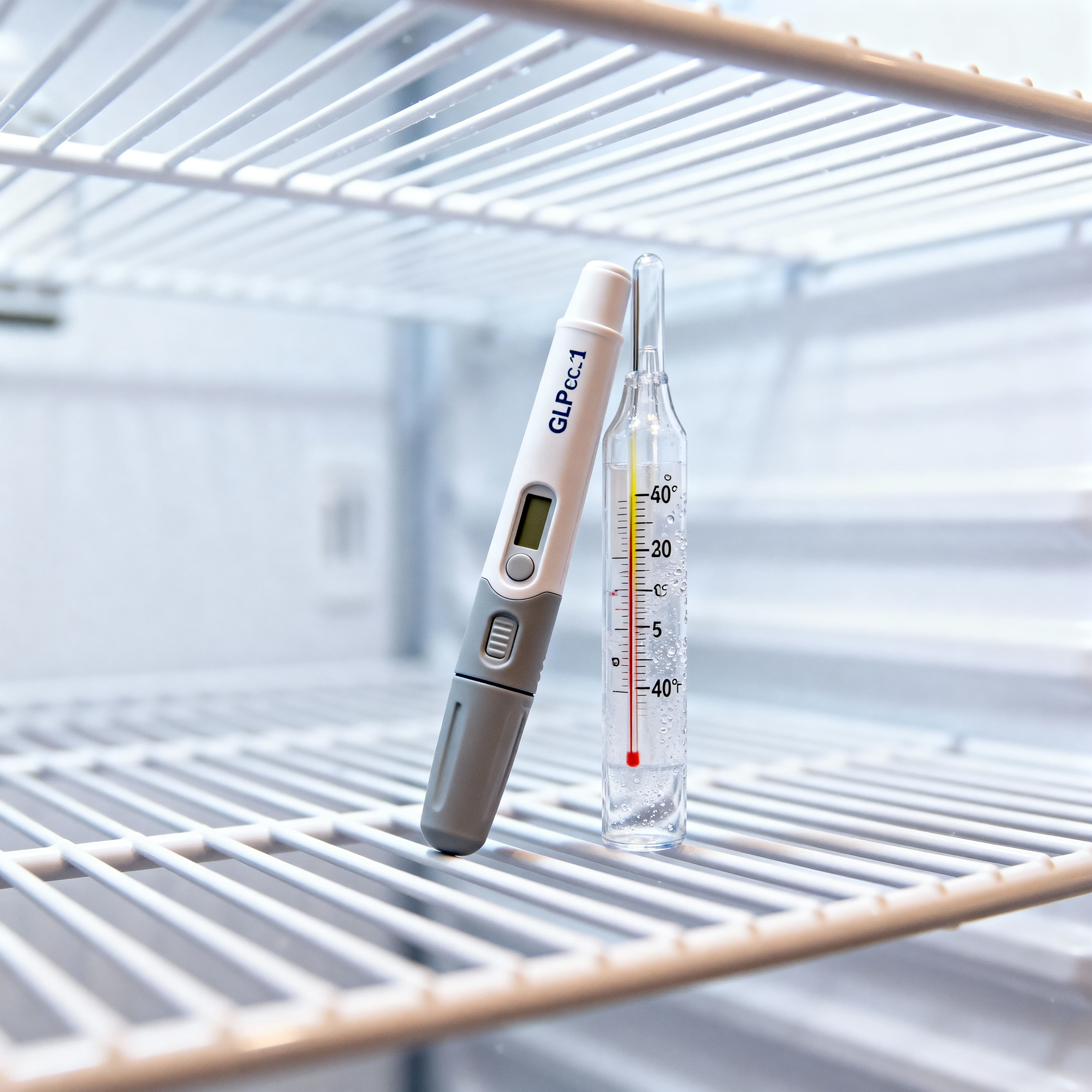
Your GLP-1 medication really can expire. Learn what expiration and beyond-use dates mean, when to discard, and how to keep injections safe.

Find and compare trusted online GLP-1 providers safely. GLP Winner helps you understand options, avoid scams, and connect with real care.

FDA recalls compounded semaglutide and tirzepatide by ProRx LLC for sterility concerns. See if your vial’s affected and what to do next.
Written by
 Lauren Pescarus
Lauren Pescarus is a team member with GLP Winner where she works on marketing, content creation, and operations. She has over 10 years experience in the content creation space, including in the GLP-1 space where she works to stay on top of access news, research updates, and lifestyle tips guided by science.