What Happens When You Stop Taking a GLP-1?
Author
Date Published
- Twitter
- Facebook
- LinkedIn
- Instagram
- Copy Link

Most people regain a significant amount of weight after stopping a GLP-1 medication, but the speed and extent of that regain depend on what habits you build while you are on it, according to a major review published in The BMJ in January 2026 (University of Oxford). Here is what the latest research says, what it does not say, and what you can actually do about it.
What the Oxford Study Found
Researchers at the University of Oxford reviewed 37 studies covering more than 9,000 adults who stopped taking weight management medications after an average of 39 weeks of treatment (BMJ Group).
The headline numbers:
- After stopping, participants regained weight at an average rate of 0.4 kg (about 0.9 pounds) per month across all medications studied (University of Oxford)
- For newer GLP-1 medications like those containing semaglutide and tirzepatide, regain was faster at about 0.8 kg (roughly 1.8 pounds) per month (BMJ Group)
- At that rate, researchers projected a return to baseline weight within about 1.5 to 2 years (University of Oxford)
GLP-1 medications like Ozempic and Wegovy are GLP-1 receptor agonists (GLP-1 RAs), meaning they activate the same receptor as a natural hormone in your body to help control appetite and blood sugar. Mounjaro and Zepbound contain tirzepatide, a dual GIP/GLP-1 receptor agonist that activates two receptors.
What this means for you: Weight regain after stopping is common and expected. The research confirms this happens with most weight management approaches. GLP-1 medications produce faster weight loss, but also faster regain when stopped compared to behavioral programs alone according to this study.
Health Markers Reverse Too
Weight is only part of the picture. The Oxford review also found that cardiometabolic health markers reversed after stopping GLP-1 medications (BMJ Group).
Blood sugar levels, blood pressure, cholesterol, and triglycerides all trended back toward their pre-treatment levels. The researchers projected these markers would return to baseline within about 1.4 years, which is actually faster than the weight regain timeline.
This is important context. The benefits of GLP-1 medications extend beyond weight loss, and those broader health improvements also depend on ongoing treatment or meaningful lifestyle change.
If you are weighing whether to continue or stop a GLP-1 medication, GLP Winner's provider comparison tools can help you explore different plans and pricing, including providers that offer tapering support and long-term management.
What this means for you: Stopping a GLP-1 does not just affect your weight. Blood sugar, blood pressure, and cholesterol improvements can reverse as well. Understanding this helps you have a more complete conversation with your provider about your long-term plan.
Why Regain Happens Faster After Medication
The Oxford researchers offered an important insight into why this happens. When someone loses weight through a behavioral program like structured diet and exercise, they are actively building habits and strategies that help them maintain that loss. When someone loses weight through medication, the medication does much of the appetite work, and those practical strategies may never get developed (University of Oxford).
Weight regain after stopping a behavioral program takes roughly 4 years to reach baseline. After stopping a GLP-1 medication, it takes roughly 1.5 to 2 years. That is a significant difference in timeline.
The takeaway from the researchers is clear: building sustainable habits while on medication is what gives you the best chance of keeping results after you stop.
What this means for you: The medication gives you a window. Use that window to build the habits, routines, and support systems that will carry you after you stop. The people who do best after discontinuing a GLP-1 are the ones who treated the medication as a tool, not a standalone solution.
What You Can Do While You Are Still on a GLP-1
There are specific things you can focus on now that research supports for long-term weight maintenance.
Protein intake. Aim for 1.2 to 1.6 grams of protein per kilogram of body weight daily. This helps preserve lean muscle mass, which is critical for maintaining your metabolism after you stop the medication (Endocrine Society).
Resistance training. Strength training two to three times per week is the most effective way to protect muscle during weight loss (Endocrine Society). This does not require heavy weights. Bodyweight exercises, bands, or light dumbbells work.
Meal structure. Practice eating smaller, balanced meals throughout the day even while the medication is suppressing your appetite. This builds a pattern your body can sustain when the medication is no longer doing the work.
Provider support. Some GLP-1 providers include behavioral coaching, nutritional counseling, and tapering plans as part of their programs. Others do not. GLP Winner helps you compare what different providers include so you can choose one that supports your long-term goals.
What this means for you: The best time to prepare for stopping a GLP-1 is while you are still on it. Building habits now, especially around protein, movement, and meal structure, is the most evidence-supported way to protect your results.
What the Research Does Not Tell Us Yet
The Oxford review is the most comprehensive look at post-GLP-1 weight regain to date, but it has limitations worth knowing.
Only eight of the 37 studies involved newer GLP-1 medications like those containing semaglutide or tirzepatide (BMJ Group). The maximum follow-up in those studies was 12 months after stopping. That means the 1.5-to-2-year timeline for full regain is a projection, not a directly observed outcome.
The study also did not separate people who built strong habits during treatment from those who did not. It is possible that people who combine medication with behavioral change see less regain, but the data to confirm that at scale does not exist yet.
Clinical trials evaluating structured tapering programs and combined medication-plus-behavioral approaches are ongoing. As more data becomes available, the picture will get clearer.
What this means for you: The research points in a consistent direction, but the long-term story is still being written. What we know today supports building habits early and having a clear plan for when you stop.
Final Takeaway
Stopping a GLP-1 medication will likely lead to some weight regain. That is what the research shows. But it also shows that the habits you build while on the medication are what determine how much comes back and how fast. This is a long game. The medication gives you a head start. What you do with that head start is up to you. Stay active. Eat enough protein. Work with a provider who thinks beyond the prescription. And give yourself time.
If you enjoy posts like these, you can subscribe to receive newsletter updates.
Sources
Find a provider in your state
Answer a few questions and see live pricing from the providers that ship where you live.
Keep Reading

Learn why weight regain can happen after GLP-1s, who is most at risk, and how to plan a long-term GLP-1 strategy safely.

Learn which risks are real, which are exaggerated, and what most people actually experience over time.
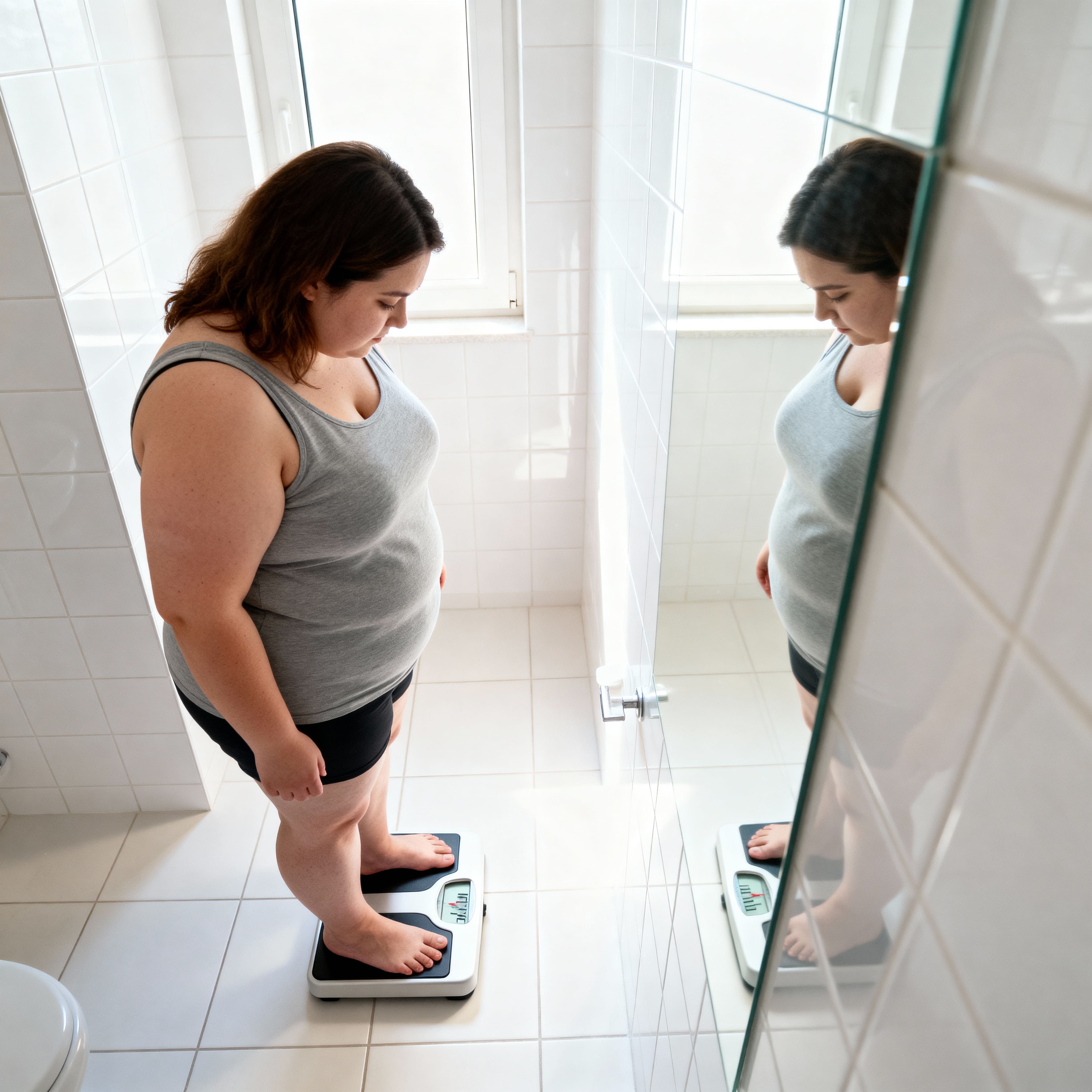
What happens after stopping GLP-1 meds—why rebound happens, what studies show, and how to keep your progress.
Written by
 Lauren Pescarus
Lauren Pescarus is a team member with GLP Winner where she works on marketing, content creation, and operations. She has over 10 years experience in the content creation space, including in the GLP-1 space where she works to stay on top of access news, research updates, and lifestyle tips guided by science.