Are GLP-1 Medications Changing What Foods People Crave?
Author
Date Published
- Twitter
- Facebook
- LinkedIn
- Instagram
- Copy Link
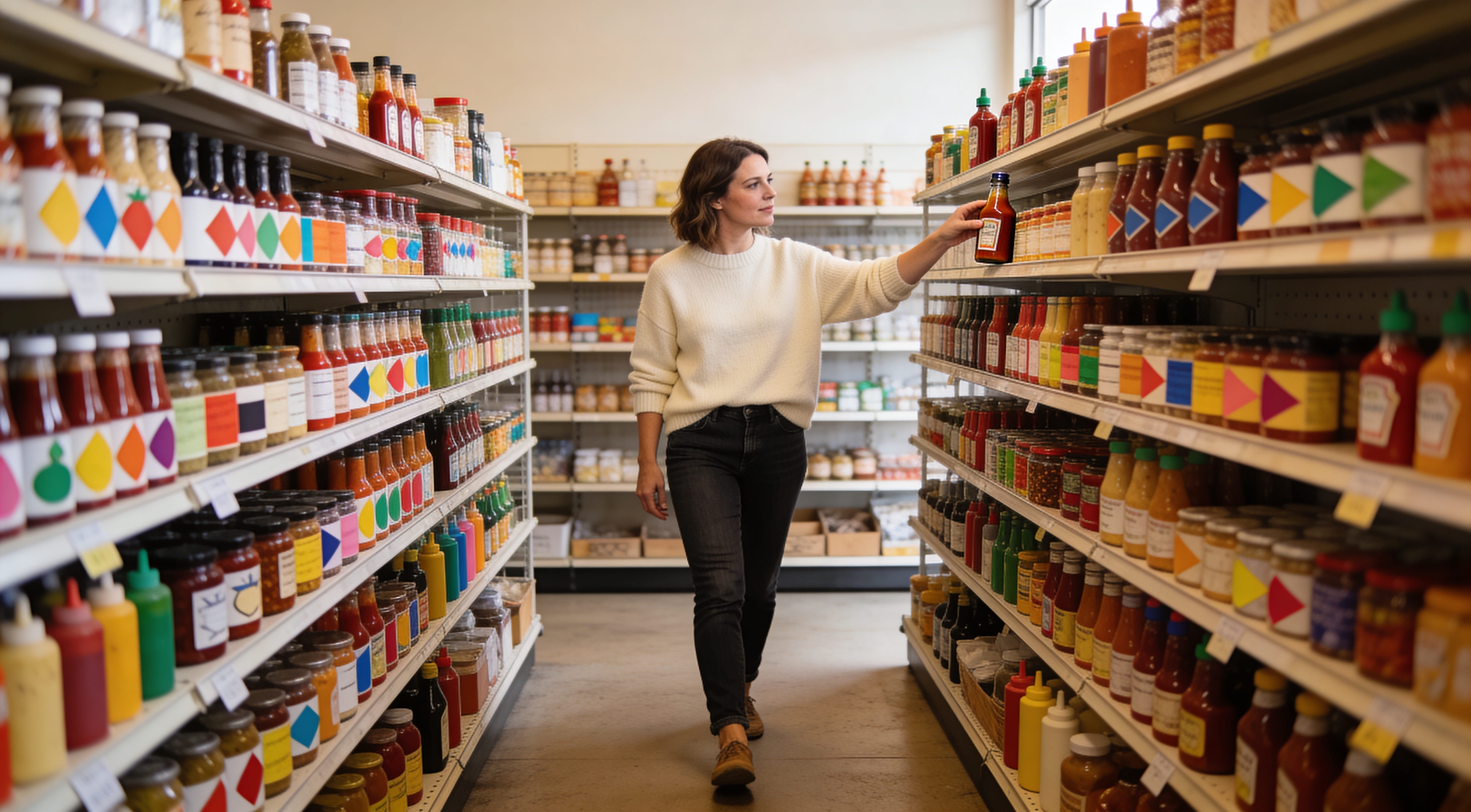
Yes, the science and the cash registers both suggest GLP-1 medications are changing what people crave, with users reporting less interest in sweet and fatty foods and more interest in salty, sour, and spicy flavors, and big food companies are paying record prices to buy sauce and spice brands because the shift is showing up in real grocery carts (Yahoo Finance / Reuters). The catch is that the research on how GLP-1s change taste is still mixed, so the personal experience varies more than any single study suggests.
Who This Helps
- People on Ozempic, Wegovy, Mounjaro, or Zepbound who have noticed their food preferences shifting
- People starting a GLP-1 and wondering what to expect at the dinner table
- People who have read headlines about hot sauce sales surging and want to know if there is real science behind them
- People shopping the grocery aisle and noticing more spicy, fermented, and umami options than there used to be
Does This Affect Your Current Prescription?
Nothing about food craving shifts changes how your medication works or how you should take it. Your dose, your schedule, and your prescriber's plan stay the same. The food side of GLP-1 use is more of an experience to notice, not a problem to solve.
What Is Actually Happening in the Grocery Aisle
Big food companies have started spending real money on the idea that GLP-1 users want different things than they used to. Two recent purchases tell the story:
- The Marzetti Company paid about $400 million for Bachan's, a Japanese-style barbecue sauce brand that sold $87 million worth of product in 2025 (Yahoo Finance / Reuters).
- Highlander Partners bought Tapatio, the California-based hot sauce maker, in late January 2026. Tapatio is the fifth largest hot sauce brand in the United States.
These deals are part of a bigger pattern. Sauce, spice, and condiment companies are getting more offers from buyers than usual, and several have sold for more than people expected (Yahoo Finance / Reuters). Meanwhile, classic condiments like mayonnaise, ketchup, and salad dressing are seeing flat or falling sales. Fast-food and snack companies are expected to lose billions of dollars as GLP-1 users buy and eat differently.
Find a provider in your state
Answer a few questions and see live pricing from the providers that ship where you live.
What the Science Actually Says (and What It Doesn't)
This is the part of the conversation worth slowing down for. Multiple studies have looked at how GLP-1 medications affect taste and food preferences. The findings are interesting and partly contradictory:
- One published study found that people taking semaglutide ate 38.8% less food from high-fat sweet items than people taking a placebo (International Journal of Obesity). The reduced pull toward sweet and fatty combinations is one of the better-supported findings.
- A 2024 Endocrine Society conference presentation reported that semaglutide sharpened taste sensitivity and changed how the body's taste system worked at a genetic level, including a shift in how the brain responds to sweet tastes (Endocrine Society). Conference presentations are an earlier stage of evidence than fully peer-reviewed journal publication, so this one is a signal rather than a settled finding.
- A separate study suggested that GLP-1 medications may dull the sense of all five basic tastes (sweet, salty, sour, bitter, and savory) (ScienceDirect). That is closer to the opposite of "sharper taste."
- A consumer survey of GLP-1 users reported that 85% noticed major changes in food preferences, including new aversions to fatty foods, fried items, sweets, coffee, and alcohol. Survey data is not the same as clinical research, and surveys paid for by industry come with their own bias to keep in mind.
The honest picture: there is real evidence that taste and food preferences shift on GLP-1 medications, but the studies do not yet agree on the direction or the reason. Some patients describe sharper flavor. Others describe duller taste. The shift away from sweet and fatty combinations is the most consistent thread. Specific predictions about what you personally will crave are harder to back up.
What GLP-1 Users Are Saying
Patient experience is filling in the blanks while the science catches up. Reports across forums, clinics, and surveys cluster around a few patterns:
- Sweet and fried foods often lose appeal early. Many people describe a dessert that used to be a favorite tasting cloying or heavy.
- Salty, sour, and spicy foods often feel more interesting. Hot sauce, pickles, vinegar-forward dressings, and bold condiments come up frequently.
- Umami and global flavors are drawing attention. Gochujang, harissa, miso, and kimchi are showing up in retail data and in conversation as people look for flavor without volume.
- Coffee and alcohol can taste different. Some patients describe a stronger bitter signal, others lose interest entirely.
Your experience may or may not match. The patterns are common enough to write about. They are not universal enough to predict.
This is also different from food noise, which is the constant background mental chatter about food that some patients have lived with for years. GLP-1 medications have been documented to quiet that noise. Our piece on what food noise actually is and why GLP-1s reveal it walks through that experience in detail. Food noise is about mental volume. The craving shift is about which foods catch your attention when you do eat.
Why This Could Be Happening in the Body
The likely reasons are reasonable but not fully settled. Researchers have pointed to a few:
- Effects in the brain. GLP-1 medications work in parts of the brain that handle appetite and reward, which can change how food tastes and how rewarding it feels (International Journal of Obesity).
- Changes at the taste bud level. Some studies have seen shifts in how the cells in your taste buds work and renew themselves (Endocrine Society).
- Food moves out of your stomach more slowly. GLP-1 medications slow how quickly food leaves your stomach, which can change how large or rich meals feel and shape what you reach for next time.
The "less interested in sweet and fatty" pattern probably has more to do with these effects than with any single brand of medication or any single food category.
What Food Is Trending Right Now
The food industry is reading the same signals and stocking shelves accordingly. A snapshot of where the heat is in 2026:
- Korean gochujang and chili pastes
- North African harissa and chermoula
- Japanese yuzu, miso, and barbecue sauces (which is part of why Bachan's sold for $400 million)
- Vinegar-forward hot sauces (which is part of the Tapatio story)
- Smoky pepper blends and pepper-forward dry rubs
- Fermented condiments like kimchi, sauerkraut, and tepache-style drinks
If you are on a GLP-1 and have noticed an aisle of bottles you used to walk past suddenly looking interesting, you are not alone, and the food world has already noticed.
What This Might Mean for Your Own Routine
Nothing in this story is a medical recommendation, and personal taste is personal. A few practical thoughts that come up in patient conversations:
- Lean into the shift if it is happening. If salty, sour, and spicy flavors are landing better than what you used to crave, that is workable territory. Bold seasoning often makes smaller portions feel satisfying without adding much energy.
- Watch for sodium creep. Hot sauces, soy-based sauces, and condiments can stack up fast on the sodium front. If you have blood pressure or kidney considerations, your clinician can help you find lower-sodium versions.
- Notice the protein side. GLP-1 users tend to eat less overall, and protein is the macronutrient that helps preserve muscle. Bold sauces are great on a high-protein plate.
- Keep your prescriber in the loop. Major appetite or taste changes are worth mentioning at your next check-in, even if they feel positive. Your provider may want to factor them into long-term planning.
- Compare provider support, not just price. The GLP Winner provider survey helps you find FDA-approved GLP-1 providers whose teams handle pricing transparency, prior authorizations, and the kind of ongoing support that makes lifestyle shifts easier to maintain.
Free Resources
- The Academy of Nutrition and Dietetics lists registered dietitian nutritionists who can help with protein, sodium, and overall meal planning on GLP-1s.
- The American Heart Association sodium guidance is the standard reference if hot sauces are showing up in your routine.
- MyPlate.gov covers basic balanced-plate guidance that still applies on smaller portions.
GLP Winner is not affiliated with any of the resources listed above. They are included as free, publicly available tools that may support your health journey.
Final Takeaway
If you are on a GLP-1 medication and your grocery cart is starting to look different than it did last year, you are part of a pattern big enough that big food companies are paying real money to keep up. The science is still being worked out, and individual experience varies more than headlines suggest, but the broad shift away from sweet and fatty foods and toward salt, sour, spice, and umami is showing up in study after study and in real-world sales data.
The right reaction is curiosity, not concern. If a bottle of hot sauce, a jar of kimchi, or a tube of harissa is suddenly the most interesting thing in the fridge, that is worth noticing. Bold flavor on a smaller plate is a workable combination, and your prescriber can help you tune the rest of the picture if the shift comes with questions.
If you enjoy posts like these, you can subscribe to receive newsletter updates.
Find a provider in your state
Answer a few questions and see live pricing from the providers that ship where you live.
Sources
Keep Reading

Food noise is the constant background chatter about food some people live with. Here is what it is, what science shows, and why GLP-1s revealed it.
Learn what the new food pyramid includes, how it differs from past guidelines, and what it means for your food choices and grocery bills.

Make the holidays easier for GLP-1 users and their families. Learn how to talk, eat, and connect with kindness — no landmines, just gratitude.
Categories
Written by
 Lauren Pescarus
Lauren Pescarus is a team member with GLP Winner where she works on marketing, content creation, and operations. She has over 10 years experience in the content creation space, including in the GLP-1 space where she works to stay on top of access news, research updates, and lifestyle tips guided by science.