The New “Pet Ozempic” Trials: What GLP1 Weight Loss Drugs Could Mean for Cats and Dogs
Author
Date Published
- Twitter
- Facebook
- LinkedIn
- Instagram
- Copy Link
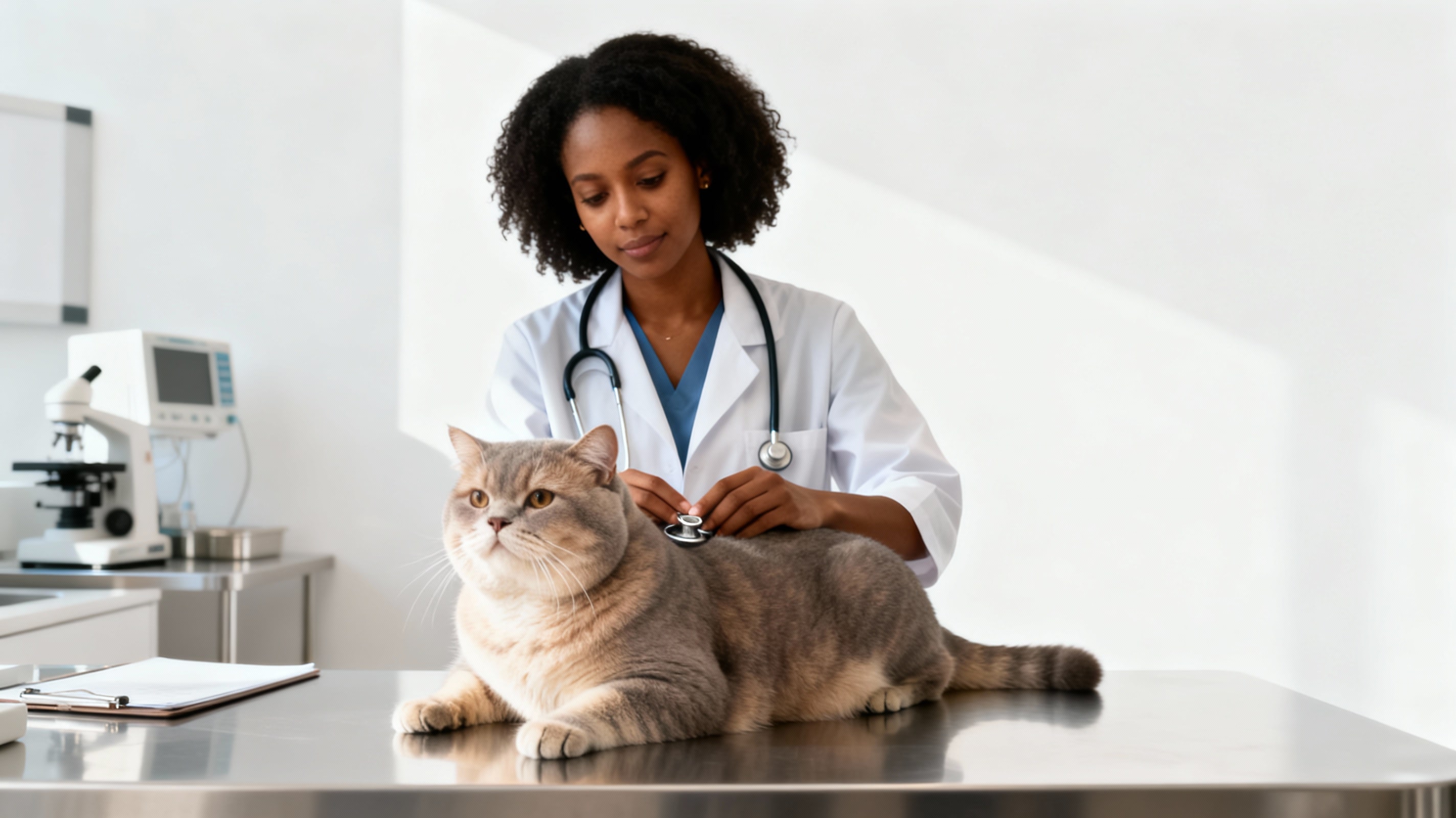
Pet obesity is rising fast, and many veterinarians say it is one of the biggest health problems they see. In recent surveys, around 61% of cats and 59% of dogs in the United States were classified as overweight or obese (Association for Pet Obesity Prevention). This raises the risk for diabetes, arthritis, and shorter lifespans. As GLP-1 medications gain attention in human health, scientists are now studying whether a similar tool could help pets stay healthier too.
What GLP-1 Drugs Do in the Body
GLP-1 is a hormone found in many mammals. It helps control appetite, digestion, and blood sugar:
- It increases insulin release when blood sugar is high.
- It lowers glucagon, which can help reduce extra sugar release into the blood.
- It slows how quickly food leaves the stomach, which helps you feel full longer.
- It signals the brain that the body has had enough food, which can reduce cravings.
These effects are well described in GLP-1 reviews and clinical guidance for humans (Cleveland Clinic) and in newer overviews of how GLP-1 medicines work on appetite, digestion, and blood sugar (Harvard Health Publishing).
GLP-1 medications mimic this natural signal to help reduce hunger and support steadier metabolic patterns. In humans, GLP-1 receptor agonists are the class that includes semaglutide and similar drugs used for weight management and type 2 diabetes (StatPearls).
Researchers are now studying whether GLP-1 therapy could help pets manage overeating and lower their risk for obesity-related problems.
Why Pet Obesity Is So Hard to Solve
Many pet owners are trying to do the right thing, but weight control is still tough. Common issues include:
- It is easy to overfeed, especially with free feeding bowls or constant treats.
- Pets are very good at begging, and food often becomes a way to show love.
- Busy schedules can limit walks, play time, and interactive activity.
- Owners do not always recognize when a pet is overweight or in an unhealthy body condition (Association for Pet Obesity Prevention).
Extra weight can:
- Put more stress on joints and spine.
- Increase the risk for diabetes and other metabolic diseases.
- Lower energy and quality of life.
- Shorten lifespan overall.
Traditional diet and exercise plans can help, but they are hard to follow consistently. This is why some veterinarians are hopeful that GLP-1 therapy could offer another option when lifestyle changes alone are not enough (Cornell University College of Veterinary Medicine).
The GLP-1 Trials Happening Right Now
The MEOW-1 Cat Trial
A company called Okava Pharmaceuticals is testing a small implant named OKV-119:
- The implant is placed under the skin.
- It slowly releases a GLP-1 based therapy over several months.
- The current study is enrolling about 50 overweight cats.
- The goal is to reduce food intake and support safe, steady weight loss without weekly shots.
Early preclinical work in cats showed reduced calorie intake and at least 5% body weight loss over time when the implant released a GLP-1 type medication (Drugs.com).
The new clinical trial will help veterinarians learn:
- How much weight cats can lose with this implant.
- How well cats tolerate GLP-1 treatment over several months.
- Whether this approach is realistic for everyday pet owners.
(Drugs.com)
Once Weekly GLP-1 Therapy at Cornell
Another company, Akston Biosciences, is working with Cornell University College of Veterinary Medicine on a different style of GLP-1 therapy:
- The candidate drug is called AKS-562c.
- It is designed as a once weekly injection.
- Cornell is running an 11 week trial in client-owned overweight or obese cats.
- The goal is to see if weekly GLP-1 treatment can safely help real household cats reach healthier body weight.
The Cornell award description notes that the study will evaluate weight loss over 11 weeks in overweight or obese client-owned cats (Cornell University College of Veterinary Medicine). Akston’s announcement adds that preclinical studies in laboratory cats showed reduced food intake without unexpected safety concerns and supported once weekly dosing (Akston Biosciences). The detailed press release describes the design and plans for the clinical trial (PR Newswire).
A separate news summary aimed at the pet food industry highlights this trial as part of a broader push to treat feline obesity as a serious medical condition, not just a cosmetic concern (Pet Food Industry).
Why This Approach Is Exciting
If GLP-1 therapies for pets prove safe and effective, they could:
- Help reduce constant hunger and compulsive eating in overweight pets.
- Make it easier for owners to stick to measured food portions.
- Lower the risk of diabetes and other obesity-related diseases.
- Reduce stress on joints, which can improve mobility and comfort.
- Support better energy, playfulness, and quality of life.
Pet health experts describe excess weight as one of the most common issues seen in cats and dogs today, and they note that new options are needed when diet alone does not work (Pet Food Industry).
The Concerns Researchers Are Watching
Veterinarians and researchers are also careful to point out real concerns:
- Long term safety is not yet known.
- Cats and dogs process medications differently from humans, so human data cannot simply be copied over.
- Appetite loss in pets can be a warning sign for illness, so suppressing appetite must be monitored closely.
Some experts also worry about the emotional and ethical side:
- Food is often part of how owners show affection.
- There is concern that people may look for a quick fix instead of changing daily habits.
These questions show up in public discussions and opinion pieces about GLP-1 weight loss drugs for pets and what they might mean for pet welfare (The Guardian).
Reporters covering the trials also note that cost, vet comfort, and regulatory review will all shape how widely these treatments are used if they reach the market (Drugs.com).
What Pet Owners Should Do Right Now
GLP-1 therapy for pets is not available outside of carefully controlled clinical trials. For now, the best steps are simple and powerful:
- Measure food portions instead of “eyeballing” scoops.
- Use a measuring cup or scale for both meals and treats.
- Choose balanced, high quality food that fits your pet’s life stage.
- Add more play and movement, even in small bursts throughout the day.
- Use puzzle feeders or slow feeders to make meals last longer.
- Ask your veterinarian to help calculate a healthy target weight and body condition score.
- Schedule regular weigh-ins and adjust feeding as needed.
If GLP-1 therapies become available in the future, they will be added on top of these basics, not instead of them.
The Outlook
If these trials continue to show positive results, GLP-1 therapy could become a new medical tool in pet health. That might:
- Shift obesity from a frustrating “lifestyle problem” into a medical condition with structured treatment.
- Give veterinarians more options for pets who do not respond to diet changes alone.
- Help more cats and dogs live longer, healthier lives.
At the same time, responsible use will matter. Pet owners and vets will need to think about safety, ethics, and the bond between people and their animals, not just the number on the scale.
FAQ: GLP-1 Medications and Pets
Are GLP-1 medications for pets available right now?
No. GLP-1 therapies for pets are still being tested in clinical trials like MEOW-1 and the Cornell AKS-562c study. They are not yet approved or sold for general use (Drugs.com).
Are GLP-1 drugs safe for cats and dogs?
Early studies in cats show promising weight loss and reduced food intake, but long term safety is still being studied. Trial designs include close monitoring of side effects and lab work to protect the animals involved (Cornell University College of Veterinary Medicine).
Will dogs be included in GLP-1 trials too?
Yes. Companies developing implants and once weekly therapies for cats have signaled plans to expand into canine trials if cat data remain positive (PR Newswire).
Does GLP-1 therapy replace diet and exercise for pets?
No. Even if approved later, GLP-1 therapy will be used along with proper feeding and activity, not instead of them. Lifestyle habits are still the base of good pet health (Association for Pet Obesity Prevention).
How soon could GLP-1 treatments for pets become available?
That depends on trial results, larger follow up studies, and regulatory review. Some reports suggest that if everything goes well, GLP-1 options for pets could reach the market within a few years, not months (Drugs.com).
If you enjoy posts like these, you can subscribe to receive newsletter updates.
Sources
Find a provider in your state
Answer a few questions and see live pricing from the providers that ship where you live.
Keep Reading

My full review of Trava’s compounded GLP-1 program, with details on intake, shipping, safety considerations, and how to decide if it fits your needs.

Learn the real differences between tirzepatide and semaglutide, how each works, typical side effects, and what to ask your provider before starting.

Learn what orforglipron is, how this daily oral GLP-1 works, where the research stands now, and what to watch for as it moves toward FDA review.
Written by
 Lauren Pescarus
Lauren Pescarus is a team member with GLP Winner where she works on marketing, content creation, and operations. She has over 10 years experience in the content creation space, including in the GLP-1 space where she works to stay on top of access news, research updates, and lifestyle tips guided by science.