Top Mistakes People Make on GLP-1 Therapy
Author
Date Published
- Twitter
- Facebook
- LinkedIn
- Instagram
- Copy Link

GLP-1 medications can be powerful tools—but they’re not magic wands. They work best when combined with preparation, realistic expectations, and good habits. Below are the most common pitfalls people run into—and what to do instead so you get the most out of your treatment.
1. Assuming it’s either impossible—or effortless—to get
When it comes to access, people often fall into one of two traps. Some assume they can walk into any doctor’s office and get a GLP-1 with full insurance coverage. Others believe they’ll never qualify because the requirements are too strict.
Both mindsets miss the middle ground.
What to do instead:
- Come prepared to talk with your provider. Bring your medical history, lab results, and weight/BMI data so you can have an informed discussion. Your provider may already have all the info needed.
- Ask directly about eligibility. Your doctor can determine if an FDA-approved GLP-1 fits your health profile.
- Understand coverage reality. Insurance companies may only approve certain drugs or doses based on diagnosis codes. Your provider can help file prior authorization or appeal if needed.
- Stay open to timing. If you don’t qualify right now, you can revisit when criteria or health goals change.
You can also explore guidance on how to start that conversation in How to Talk to Your Doctor About Starting a GLP-1.
2. Expecting a quick fix
GLP-1s work by changing how your body regulates appetite and blood sugar—but they don’t replace healthy habits.
The mistake: Expecting instant, dramatic results without making small daily changes.
Why it matters: Studies show people who combine GLP-1 therapy with nutrition and movement plans maintain better results long term.
What to do instead:
- Focus on sustainable progress. Think months, not days.
- Set clear, measurable goals—like walking 30 minutes daily or eating more protein.
- Track non-scale victories too (energy, sleep, hunger cues).
See also: The Real Secret Behind GLP-1 Success.
3. Eating too little—or the wrong mix
Many people lose their appetite quickly and end up under-fueling or skipping meals entirely.
Why it’s a problem: Your body still needs balanced nutrition to protect lean muscle and metabolism.
How to fix it:
- Aim for at least two protein-rich meals a day even if your appetite is low.
- Choose nutrient-dense foods (lean meats, eggs, Greek yogurt, beans, leafy greens).
- Stay hydrated; dehydration can worsen side effects.
- Try light activity like walking or resistance training a few times per week.
If you need food inspiration, check out This Not That: GLP-1-Friendly Recipe Swaps.
Find a provider in your state
Answer a few questions and see live pricing from the providers that ship where you live.
4. Skipping check-ins or changing doses on their own
Consistency matters. Adjusting doses without medical advice or skipping follow-ups is one of the fastest ways to run into side effects or stalled progress.
Better approach:
- Always follow your prescriber’s dosing plan.
- Track how you feel, your side effects, and progress so you can review together.
- Use reminders or apps to stay on schedule.
- Ask your provider before making any change, even if you think you’re ready for a higher or lower dose.
5. Thinking “I’m done” once progress shows
Stopping therapy too soon—or assuming results will last forever—can cause setbacks.
Why it happens: Once appetite is under control and weight drops, it’s tempting to stop early. But your body often readjusts when the medication leaves your system.
What to do instead:
- Talk to your provider before stopping or tapering.
- Plan your “maintenance phase”: how you’ll support results through diet, exercise, and accountability.
- Reassess after several months to see if continued therapy makes sense.
For more on long-term planning, see GLP-1 Drugs and Hair Loss: The Real Story—it includes advice on health changes to watch as your body adapts.
6. Getting discouraged by side effects, cost, or supply issues
Nausea, fatigue, and cost frustrations are common—but none of these have to end your journey.
Side effects:
- Start with smaller meals, eat slowly, and avoid greasy foods early on.
- Ginger tea, hydration, or smaller portions can help manage nausea.
- If symptoms persist, your provider can adjust your dose or timing.
Cost or coverage:
- Ask your prescriber’s office to help submit prior authorizations or appeals.
- Check if your pharmacy offers manufacturer savings programs for FDA-approved brands.
- If insurance denies coverage, ask your provider to document your diagnosis and history to strengthen the case.
Supply interruptions:
- Sign up for refill reminders.
- Request your next prescription early.
- If a shortage happens, your provider can help you pause safely or switch brands responsibly.
The key: none of these issues mean you’ve failed. They’re just bumps you can plan for and work through.
7. Trying to do it alone
GLP-1 therapy works best when you’re supported—not when you go solo.
Instead:
- Find a healthcare provider who listens and adapts with you.
- Connect with others on similar journeys through online or local groups.
- Use tracking tools or journaling to spot patterns and celebrate wins.
- Bring your support network into the process—friends and family can help keep you accountable.
If you’re supporting someone else on therapy, read Holiday Eating on GLP-1s: How to Stay Balanced & Enjoy the Season for mindset and communication tips that apply year-round.
The bottom line
GLP-1 therapy isn’t about perfection—it’s about partnership.
When you stay realistic, consistent, and proactive, the medication becomes part of a much bigger success story: one where you feel in control of your health, not ruled by it.
If you enjoy posts like these, you can subscribe to receive newsletter updates.
Find a provider in your state
Answer a few questions and see live pricing from the providers that ship where you live.
Keep Reading
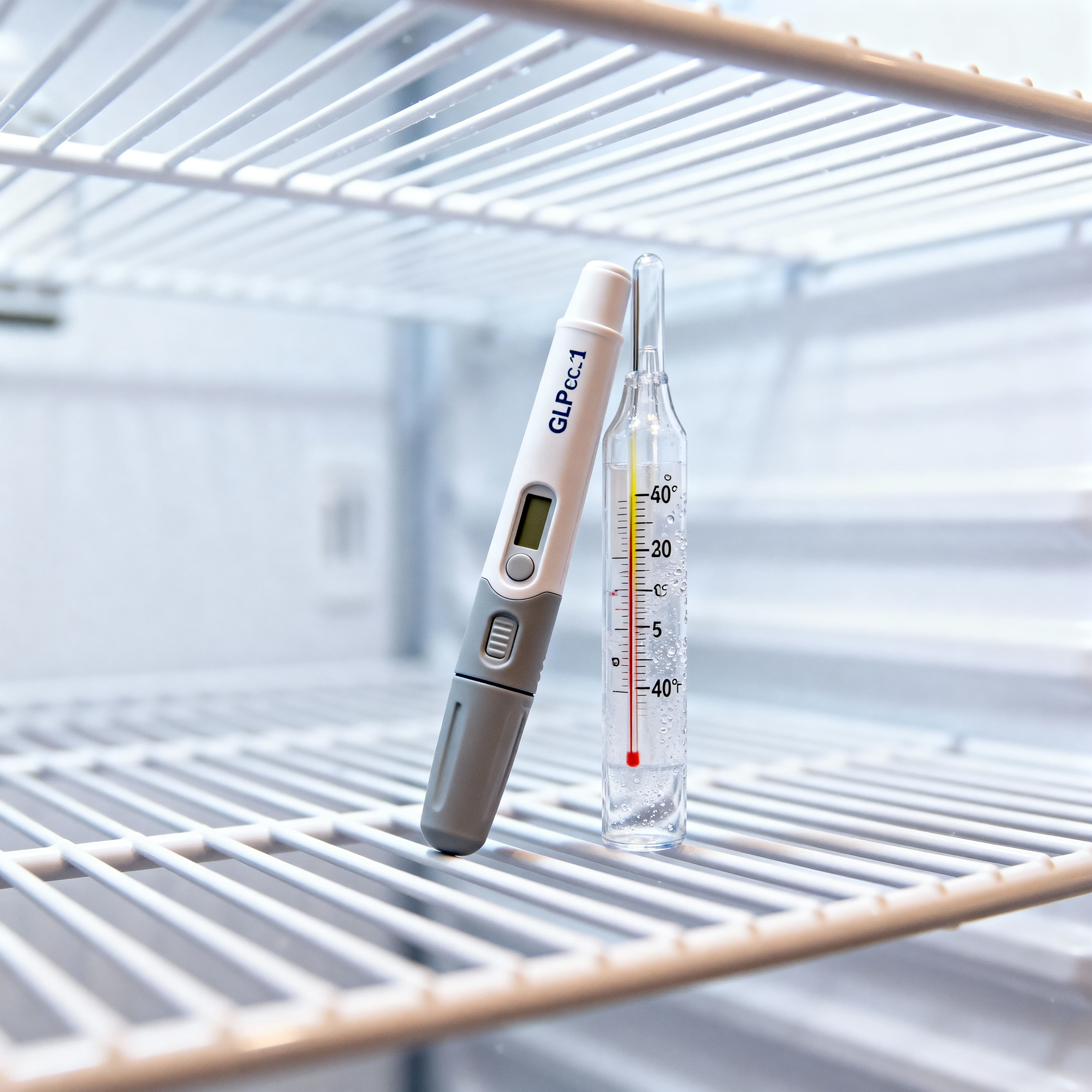
Your GLP-1 medication really can expire. Learn what expiration and beyond-use dates mean, when to discard, and how to keep injections safe.

Find and compare trusted online GLP-1 providers safely. GLP Winner helps you understand options, avoid scams, and connect with real care.

GLP-1 medications can jump-start weight loss, but lasting success comes from pairing them with simple, steady habits in food, movement, and recovery.
Written by
 Lauren Pescarus
Lauren Pescarus is a team member with GLP Winner where she works on marketing, content creation, and operations. She has over 10 years experience in the content creation space, including in the GLP-1 space where she works to stay on top of access news, research updates, and lifestyle tips guided by science.