What Foods Can Amplify or Ease Side Effects of GLP-1 Medications
Author
Date Published
- Twitter
- Facebook
- LinkedIn
- Instagram
- Copy Link
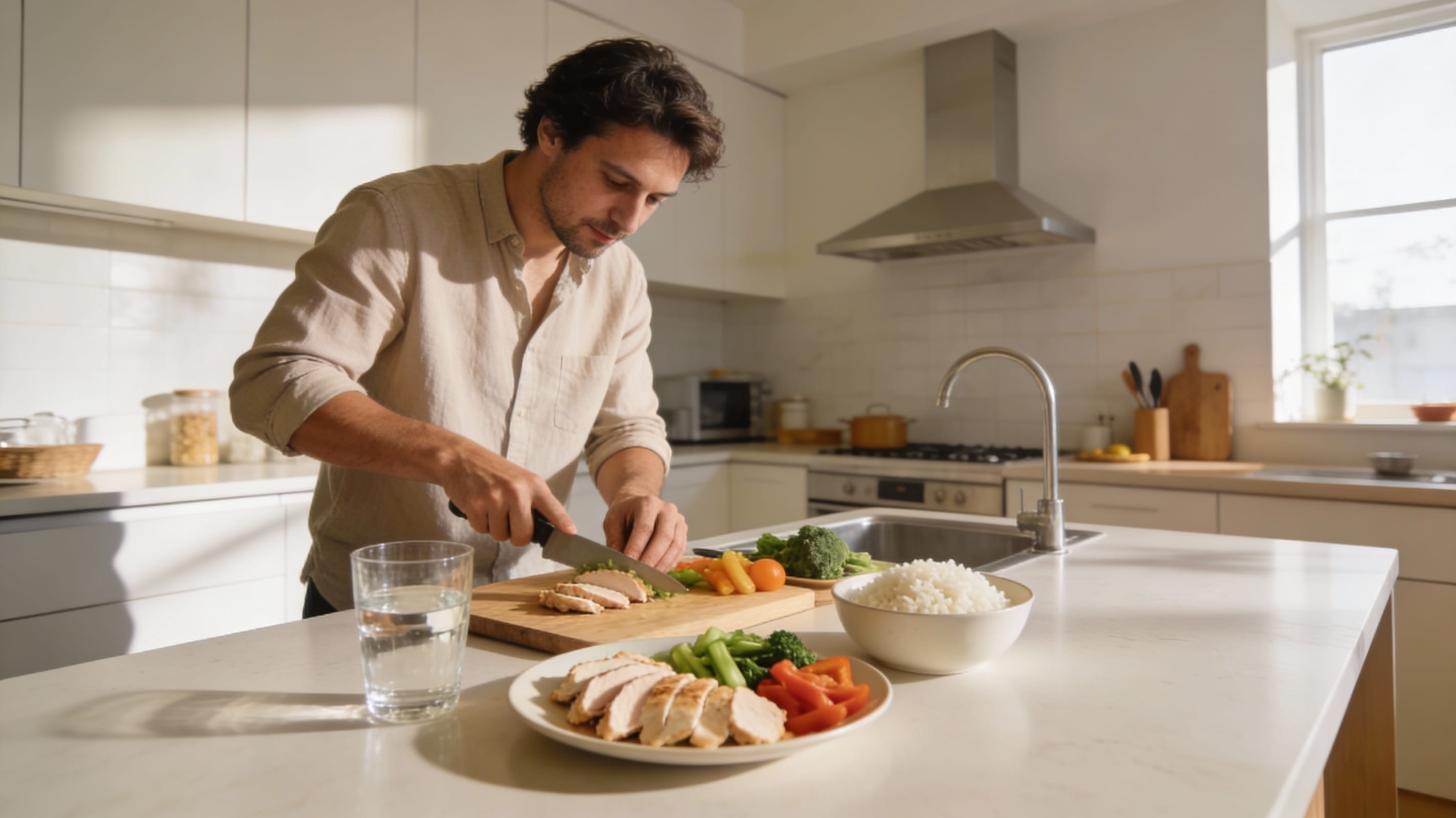
GLP-1 receptor agonist medications such as Ozempic, Wegovy, and Mounjaro slow digestion by design. That’s how they help with appetite regulation, blood sugar control, and weight management. That same effect is why nausea, bloating, heartburn, constipation, and other gastrointestinal symptoms are the most commonly reported side effects. Over time, most people adapt, but what you eat and how you eat can make a meaningful difference in how severe these symptoms feel (FDA).
Let’s walk through food-related patterns people should understand. Not “good vs bad” foods, but how certain choices tend to interact with the way GLP-1s affect digestion.
Why Food Matters with GLP-1 Medications
GLP-1 medications slow gastric emptying, meaning food stays in the stomach longer. That can make meals feel heavier, extend feelings of fullness, and contribute to nausea or reflux in some people.
Because digestion is slower, the body often responds differently to fat, spice, carbonation, and portion size. Those factors influence whether a meal feels manageable or pushes symptoms further.
Foods That Often Worsen Nausea and GI Symptoms
Think of these as foods that may amplify common side effects such as nausea, bloating, heartburn, or abdominal discomfort, especially during dose increases or early treatment. These tips won’t necessarily eliminate all side effects some experience with GLP-1s, but following these may help by making the side effects less severe.
High-Fat or Greasy Meals
Foods high in fat tend to slow digestion even further. Fried foods, fatty cuts of meat, rich sauces, and heavy desserts are frequently associated with increased nausea and reflux for people on GLP-1 medications (Cleveland Clinic).
Very Spicy or Acidic Foods
Spicy foods like hot sauces or chili peppers can irritate the stomach lining, which may intensify nausea or heartburn. Highly acidic foods can have a similar effect for some people (Cleveland Clinic).
Sugary and Refined Carbohydrates
Sugary snacks, sweetened drinks, and refined carbohydrates such as white bread or pastries may worsen bloating or digestive discomfort and are often less well tolerated when digestion is slowed (Cleveland Clinic).
Carbonated Beverages
Carbonation introduces gas into the digestive system. When gastric emptying is slowed, that gas can linger longer, contributing to bloating and nausea (Health.com).
Large Portions or Heavy Meals
Even nutritious foods can be uncomfortable in large portions. Bigger meals place more demand on slower digestion and can worsen nausea or fullness (diaTribe).
Alcohol and Caffeine
Alcohol can irritate the stomach lining and slow digestion further. Some people also notice that caffeine worsens reflux or stomach discomfort while on GLP-1 medications (Healthline).
Everyone’s tolerance is different. A food journal (tracking what you eat and any symptoms you experience) can help identify which items or patterns trigger symptoms for you personally.
Foods and Eating Patterns That Often Ease Symptoms
These foods and habits are commonly recommended by clinicians and dietitians as being gentler on digestion for people using GLP-1 medications.
Smaller, More Frequent Meals
Eating smaller amounts more often can reduce digestive strain and help prevent nausea caused by an overly full stomach (diaTribe).
Lean Proteins and Lower-Fat Options
Lean proteins such as chicken, fish, turkey, tofu, beans, and low-fat dairy are generally easier to tolerate than high-fat alternatives (Cleveland Clinic).
High-Nutrient, Moderate-Fiber Foods
Vegetables, fruits, whole grains, and legumes provide fiber that supports digestion and regularity. Introducing fiber gradually helps prevent bloating or discomfort (Cleveland Clinic).
Hydration and Water-Rich Foods
Staying well hydrated supports digestion and may help reduce nausea or constipation. Broths, soups, and water-rich foods like melon or cucumber are often soothing choices (Dramamine).
Bland Foods During Nausea Flare-Ups
When nausea is more intense, simple foods such as toast, rice, bananas, applesauce, crackers, or broth are often easier to tolerate until symptoms settle (MacArthur Medical Center).
Ginger and Peppermint
Some people find ginger or peppermint helpful for easing nausea. While not a guaranteed solution, these have been used in various digestive settings and may provide mild relief (NimbleRx).
Mindful Eating Habits
Eating slowly, chewing thoroughly, and stopping at the first sign of fullness can reduce discomfort and help align eating patterns with slower gastric emptying (Oshi Health).
A Practical Way to Think About Food on GLP-1s
Rather than labeling foods as “good” or “bad,” it’s more helpful to think in terms of digestive load and individual response.
Meals that are lighter, balanced, and eaten slowly tend to align better with how GLP-1 medications work. When symptoms flare, simplifying food choices and reducing portion size is often more effective than pushing through with heavier meals.
Most gastrointestinal side effects improve as the body adjusts, particularly after dose changes. If symptoms are severe or persistent, they should be discussed with a licensed healthcare provider.
If you enjoy posts like these, you can subscribe to receive newsletter updates.
Find a provider in your state
Answer a few questions and see live pricing from the providers that ship where you live.
Keep Reading

How clinicians determine GLP-1 eligibility for weight management or type 2 diabetes, including BMI criteria, medical review, and FDA approval status.
What life actually feels like after 12 months on GLP-1s, including changes people don’t expect but often experience long term.
Do GLP-1 medications qualify for HSA or FSA payment? Learn when prescriptions are eligible, what documentation is required, and how plans differ.
Categories
Written by
 Lauren Pescarus
Lauren Pescarus is a team member with GLP Winner where she works on marketing, content creation, and operations. She has over 10 years experience in the content creation space, including in the GLP-1 space where she works to stay on top of access news, research updates, and lifestyle tips guided by science.