8 Small Steps That Help GLP-1 Users Build Healthier Habits, According to Research
Author
Date Published
- Twitter
- Facebook
- LinkedIn
- Instagram
- Copy Link
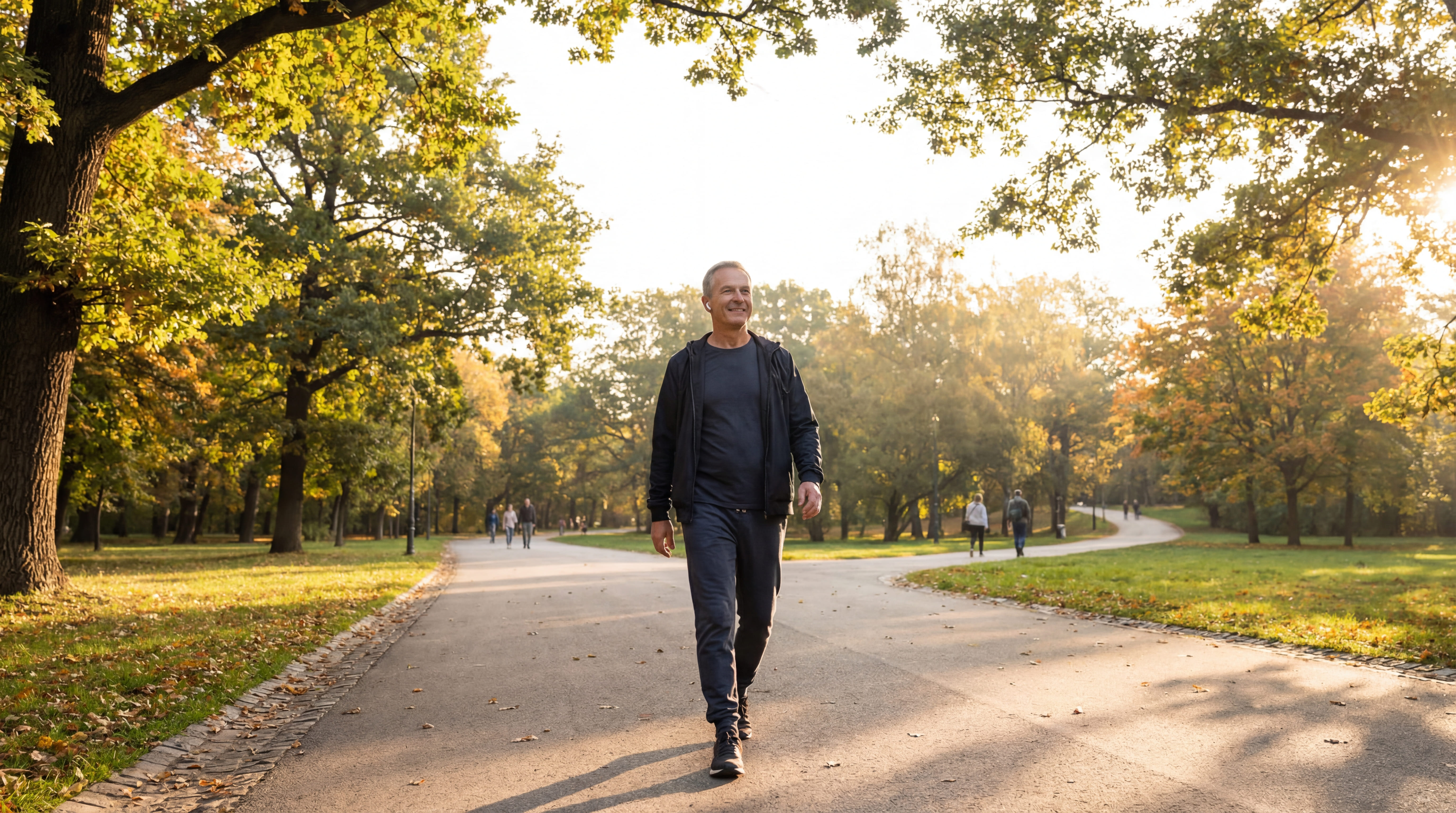
A new Stanford study of more than 5,000 GLP-1 users found that small, specific behavior changes, delivered digitally in just a few minutes, made people significantly more likely to follow through on healthier habits (JAMA Network Open). You do not need a complete lifestyle overhaul. You need a starting point.
Who This Helps
This is for anyone taking a GLP-1 medication like Ozempic, Wegovy, Mounjaro, or Zepbound who wants to get more out of their treatment but does not know where to start with the lifestyle side. It is also for anyone who has tried to overhaul their habits before and found it hard to stick with.
New to GLP-1 medications? GLP Winner has a simple guide that explains GLP-1, GLP-2, and GIP in plain language.
What the Research Found
In March 2026, researchers at Stanford School of Medicine published the results of a randomized clinical trial involving 5,054 adults who were actively taking GLP-1 medications (JAMA Network Open). The study was led by Maya Adam, MD, PhD, director of Health Media Innovation at the Stanford Center for Digital Health.
The concept was simple. Participants were given a set of eight written "microsteps," which are small, concrete behavior changes you can act on right away. Some participants also watched a short two-minute video, either a storytelling version or an educational one. A control group received nothing.
The results were clear. Compared to the control group, people who received the microsteps were significantly more likely to say they expected to follow through on those behaviors, and those effects held up two weeks later. The storytelling video outperformed the educational one across seven of the eight habits (Stanford Report).
People in the storytelling group also reported reduced sugary drink consumption at the two-week follow-up, which was one of the only actual behavior changes measured in this early-phase study.
As Dr. Adam put it: "Lifestyle support doesn’t always have to be intensive to be meaningful." The idea is that pairing medication with simple, low-cost nudges could help people get more from their treatment (Stanford Medicine).
Why Small Steps Work Better Than Big Plans
If you have ever told yourself "I am going to completely change how I eat, start exercising five days a week, and fix my sleep schedule" all at once, you already know how that usually goes. Most people can stick with a massive overhaul for a few days or maybe a few weeks before it falls apart.
The Stanford study is part of a growing body of research showing that the opposite approach works better. Instead of trying to change everything at once, you pick one or two small, specific things and do them consistently. Once those stick, you add more.
This matters especially for people on GLP-1 medications, because the drug is already doing some of the heavy lifting on appetite and blood sugar. The lifestyle side does not need to be extreme. It just needs to exist.
A joint advisory from four major health organizations, including the American Society for Nutrition and the Obesity Medicine Association, made the same point: GLP-1 therapy works best when it is paired with a lifestyle approach that includes nutrition, physical activity, sleep, and stress management (ASN).
The 8 Microsteps From the Study
Here are the eight specific behavior nudges used in the Stanford trial (JAMA Network Open). Each one is designed to be small enough to start today.
1. Swap one sugary drink for water
If you drink soda, juice, or sweetened coffee regularly, replace just one of those per day with water. You do not have to cut everything at once. One swap is a real change.
2. Add protein to every meal
Protein helps you hold on to muscle while you lose weight, and it keeps you feeling full longer. This does not mean eating a steak at every meal. A few eggs at breakfast, some Greek yogurt as a snack, or beans with dinner all count. GLP Winner covered the importance of nutrition on GLP-1 medications in detail: What the Research Says About Nutrition and Weight Loss Drugs
3. Eat a vegetable or fruit first
When your appetite is smaller, what you eat first matters. Starting with a fruit or vegetable before reaching for bread or crackers helps make sure you get key nutrients before you feel full.
4. Schedule movement on your calendar
You would not skip an important meeting or a doctor’s appointment. Block out 15 to 30 minutes on your calendar for a walk, a stretch, or any kind of movement. Treating it like an appointment makes it harder to skip.
5. Go outside for five minutes
Just five minutes of outdoor time can reduce stress and improve your mood. This is not about exercise. It is about giving your brain a break and getting natural light, which also helps with sleep.
6. Breathe when stressed
When you feel stress building, take three slow breaths before doing anything else. This is not meditation. It is a two-second reset that helps you respond instead of react. Research shows that even brief breathing exercises can lower cortisol and reduce stress-driven cravings.
7. Avoid caffeine after 2 PM
Caffeine can stay in your system for six to eight hours. If you are having trouble sleeping, cutting off caffeine after 2 PM is one of the simplest changes you can make. Sleep quality has a direct effect on appetite regulation and how well GLP-1 medications work.
8. Set a consistent bedtime
Pick a time and stick with it, even on weekends. Your body runs on a rhythm, and keeping a consistent sleep schedule helps regulate the hormones that control hunger, energy, and mood.
What This Study Does and Does Not Prove
It is important to be clear about what this research showed. The study measured whether people felt more ready and expected to adopt these behaviors after receiving the microsteps. That is a meaningful first step, but it is not the same as proving that people actually changed their long-term behavior (JAMA Network Open).
As Robyn Pashby, PhD, a research psychologist at Uniformed Services University, pointed out, many people already know what they should be doing. The challenge is doing it consistently. These kinds of small nudges help because they make healthy behavior feel smaller, more concrete, and more achievable. That is often what helps people get unstuck.
The researchers acknowledged this and said longer trials are needed to see whether the readiness these microsteps create actually turns into sustained habits over time.
Still, the fact that a single, short digital interaction produced measurable effects across all eight behaviors, and that those effects lasted two weeks, is noteworthy. Especially when you consider how low-cost and easy to deliver the intervention was.
Free Resources to Help You Get Started
You do not need to spend money to start building better habits alongside your GLP-1 treatment. Here are some free tools and resources that can help. GLP Winner is not affiliated with any of these. They are simply good, accessible starting points.
For nutrition guidance:
NIDDK: Changing Your Habits for Better Health – A free guide from the National Institute of Diabetes and Digestive and Kidney Diseases that walks you through how to identify habits you want to change and how to build new ones step by step.
For physical activity:
CDC: Physical Activity Guidelines for Adults – The CDC recommends 150 minutes of moderate activity per week, but you can start with much less. Even 10-minute walks count. This page breaks down exactly what counts as moderate vs. vigorous activity and how to build up gradually.
Most smartphones also have a built-in step counter (Apple Health on iPhone, Google Fit on Android) that can help you track daily movement without downloading anything extra.
For sleep:
Sleep Foundation: Sleep Hygiene Guide – A free, evidence-based guide covering bedtime routines, screen time, bedroom environment, and caffeine cutoff times. The Sleep Foundation also has a dedicated page on breathing exercises for better sleep with step-by-step instructions you can try tonight.
For stress management:
Insight Timer – A free app with over 200,000 guided meditations, breathing exercises, and sleep content. No subscription required for the core library. If apps are not your thing, simply setting a phone reminder to take three slow breaths at a set time each day is a microstep that costs nothing.
For tracking your habits:
A simple notebook or the notes app on your phone works. Write down one or two microsteps you want to focus on this week and check them off each day. Research consistently shows that the act of tracking makes you more likely to follow through. If you want something more structured, free apps like Habitica or Loop Habit Tracker (Android) can help without costing anything.
Final Takeaway
GLP-1 medications like Ozempic, Wegovy, Mounjaro, and Zepbound work. But the research keeps pointing in the same direction: people who pair their medication with even small lifestyle changes tend to get better, longer-lasting results.
You do not need a personal trainer, a meal plan, or a complete overhaul. You need one or two small things you can start doing today. Pick one microstep from this list. Do it for a week. Then add another.
That is how habits actually form. Not all at once, but one small step at a time.
If you enjoy posts like these, you can subscribe to receive newsletter updates.
Find a provider in your state
Answer a few questions and see live pricing from the providers that ship where you live.
Sources
Keep Reading
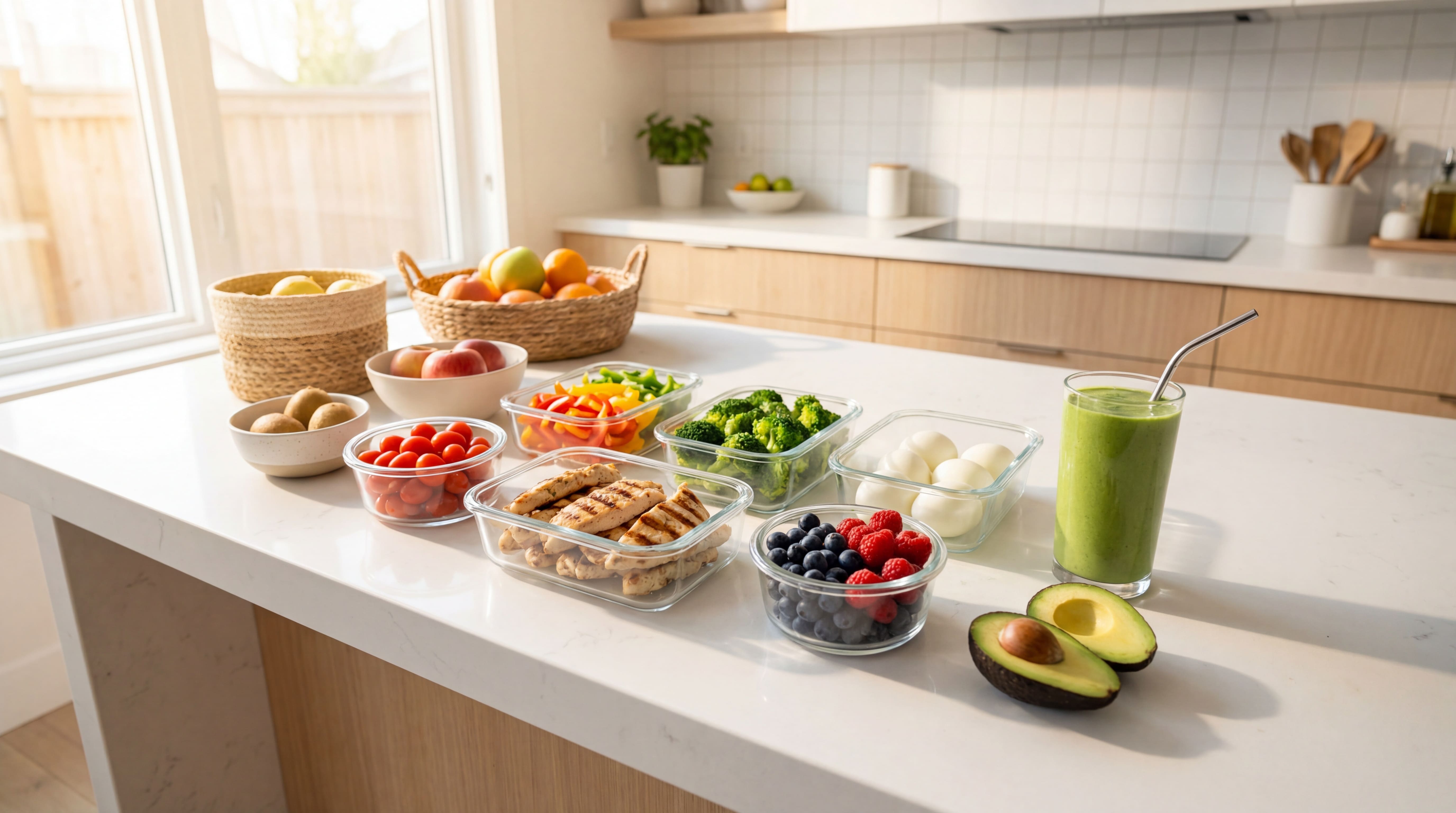
See what a full day of eating looks like on a GLP-1 with protein, fiber, and carb targets. Sample meals, macros, and tips for Ozempic users.

GLP-1 medications can jump-start weight loss, but lasting success comes from pairing them with simple, steady habits in food, movement, and recovery.

Starting GLP-1s in 2026? A practical, low-pressure guide to building sustainable habits without January burnout.
Written by
 Lauren Pescarus
Lauren Pescarus is a team member with GLP Winner where she works on marketing, content creation, and operations. She has over 10 years experience in the content creation space, including in the GLP-1 space where she works to stay on top of access news, research updates, and lifestyle tips guided by science.