Can Supplements Help Support Your GLP-1s?
Author
Date Published
- Twitter
- Facebook
- LinkedIn
- Instagram
- Copy Link
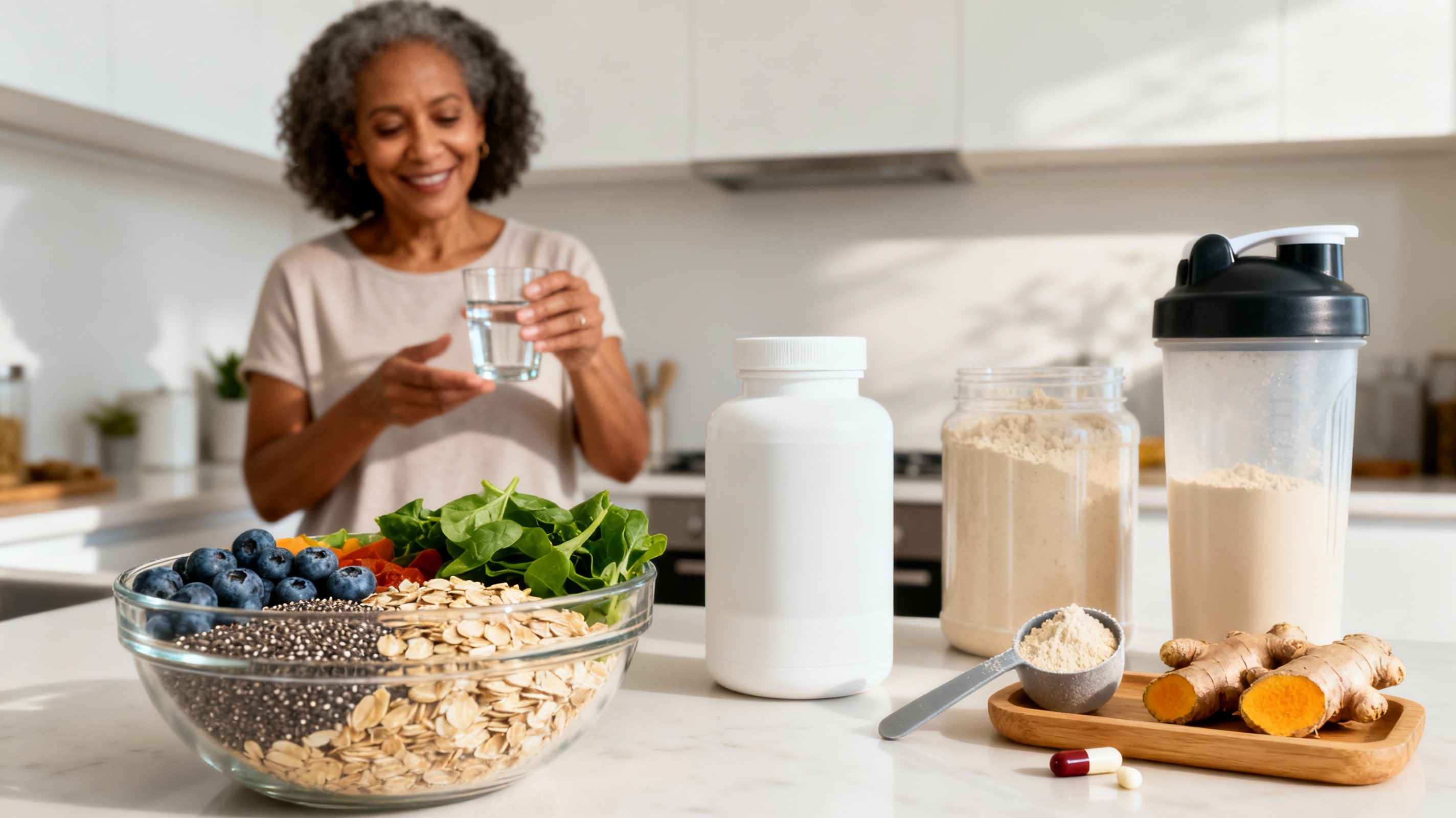
This article is general education, not medical advice. It is not a plan for your personal care. Always talk with your own clinician or pharmacist before starting or stopping any medication or supplement.
First, what are GLP-1s?
GLP-1 is a hormone your gut makes after you eat. It helps your body release insulin, slows how quickly food leaves your stomach, and tells your brain you are getting full. (Cleveland Clinic)
Some people take GLP-1 medicines for type 2 diabetes or weight management. Those are prescription drugs that act on the GLP-1 receptor and have been tested in large clinical trials. (Cleveland Clinic)
Because these medicines can help with blood sugar and appetite, many people now ask a natural follow up question:
“Are there vitamins or supplements that can boost my GLP-1s too?”
Short answer: maybe a little, in very specific ways, but nothing close to what a prescription GLP-1 medicine does.
Big reality check on “GLP-1 supplements”
Before we talk about any specific supplement, here are a few important truths:
- Supplements are not GLP-1 drugs.
GLP-1 medicines are FDA approved for medical conditions. Supplements are not approved to treat diabetes, obesity, or to replace GLP-1 medication. - Most of the research is early.
A lot of “GLP-1 boosting” studies are done in cells, mice, or small human trials. That is interesting science, but it does not mean guaranteed results for everyday people. - Quality is all over the place.
Supplements are not checked as tightly as prescription drugs. Some brands are tested and honest. Others are not. - If you already take a GLP-1, stacking random supplements can backfire.
Some products can push your blood sugar lower, upset your stomach more, or interact with other medicines you take.
Think of supplements as “possible helpers around the edges,” not magic tools that can copy a GLP-1 shot.
The gut piece: fiber, gut bacteria, and GLP-1
Your gut bacteria eat the fiber you do not digest and turn it into tiny fats called short chain fatty acids (SCFAs). These SCFAs can talk to special cells in your gut, called L cells, which are the same cells that release GLP-1. (NCBI)
Studies in animals and human tissues show that SCFAs like acetate, propionate, and butyrate can increase GLP-1 release from these L cells. (Physiology) (Nature)
What this means for you:
- High fiber foods like beans, lentils, oats, whole grains, fruits, and vegetables help feed your gut bacteria.
- Those bacteria can make more SCFAs, which may gently support GLP-1 release and related hormones over time. (BioSignaling)
Some people also add:
- Prebiotic fibers (like inulin or partially hydrolyzed guar gum)
- Probiotic supplements that contain specific bacteria strains
The research suggests that gut bacteria and GLP-1 are closely linked, but we do not yet know the best exact probiotic “recipe” for GLP-1s. (Science Direct)
For most readers, starting with food fiber and a simple, well tested probiotic brand your doctor or dietitian likes is a safer move than chasing a “GLP-1 gut booster” label.
Protein, whey shakes, and GLP-1
Protein is already important for muscle, healing, and staying strong as you lose weight. It also seems to help with some of the same pathways GLP-1 uses.
Several studies have looked at whey protein taken before a meal. Results show that a small whey “preload” can:
- Slow stomach emptying
- Increase GLP-1 and other gut hormones
- Blunt the spike in blood sugar after you eat
This has been shown in people with type 2 diabetes and in older adults. (NCBI) (Science Direct) (Nutrition)
So what does that look like in real life?
- A small whey or protein shake before a main meal
- Greek yogurt, cottage cheese, or another easy protein source as a starter
- Pairing carbs with protein instead of eating carbs alone
Important: this is still not a GLP-1 drug. It is more like a gentle signal to your gut that can support blood sugar and fullness along with your overall plan.
If you are on a GLP-1 medication and struggle to get enough protein, a simple whey or other protein powder (approved by your clinician) can be helpful for both your muscles and your gut hormones.
Curcumin: turmeric’s bright yellow cousin
Curcumin is the main active compound in turmeric, the bright yellow spice used in many curries.
Lab and animal studies have found that curcumin can:
- Stimulate GLP-1 release in special gut hormone cells
- Improve glucose tolerance in rodents in part through GLP-1 pathways
Researchers have shown this in cell lines called GLUTag cells and in rodent models. (Science Direct) (NCBI) (Nature)
What we still do not know:
- How strong this effect really is in everyday humans
- What dose and form works best
- How it behaves in people already on GLP-1 medications or other drugs
So curcumin is a “promising in the lab” supplement, not a proven GLP-1 booster for regular life. If you enjoy turmeric in cooking or you already take curcumin for joint health, this GLP-1 angle is a bonus, not the main reason to use it.
Curcumin can interact with blood thinners and other medicines, so your doctor still needs to know if you plan to take it.
Berberine: why “nature’s Ozempic” is not the full story
You may have seen headlines calling berberine “nature’s Ozempic.” That is catchy marketing, but it is not accurate.
Berberine is a plant compound used in traditional medicine in some countries. Research shows that in animals and cells, berberine can:
- Increase GLP-1 levels in the gut and blood
- Change gut bacteria in ways that may support GLP-1 release
- Affect other pathways such as AMPK, which helps the body handle energy and glucose
Studies in cells and diabetic rodents show berberine can stimulate GLP-1 secretion and improve metabolic markers. (Science Direct) (Nature) (NCBI)
However:
- Human trials are smaller and mixed.
- Berberine does not act on the GLP-1 receptor the same way GLP-1 medications do.
- Side effects can include stomach upset, low blood pressure, and drug interactions.
- Long term safety is not as well studied as prescription GLP-1 medicines.
Experts are clear that berberine should not be considered a direct substitute for GLP-1 medications, even if it may help some people with blood sugar in specific situations. (Verywell Health)
If you are already on a GLP-1, adding berberine without medical supervision can make your blood sugar drop too low or clash with other medicines.
So what actually makes sense for most people?
Think of your options in layers.
Solid foundation: lifestyle that supports GLP-1 pathways
Most people will get the safest, biggest gains from:
- Higher fiber eating
Aim for fiber rich foods at each meal to feed gut bacteria and support SCFA and gut hormone production. - Enough protein
Especially if you are losing weight, protein helps protect muscle and may gently support fullness and gut hormone signaling. - Regular movement and resistance training
Better muscle and insulin sensitivity help your body respond to GLP-1 more effectively.
These habits are safe for almost everyone and work with your GLP-1s instead of fighting them.
Possible “helper” supplements to discuss with your clinician
For some people, it might be reasonable to talk with a clinician about:
- A basic probiotic and prebiotic fiber supplement
- A protein powder to help reach daily protein goals
- Curcumin, if there is another reason to use it, and your medications are checked for safety
High caution zone
Approach supplements like berberine and “GLP-1 booster” blends with special care, especially if:
- You already take GLP-1 medication
- You take other drugs for blood pressure, diabetes, or heart disease
- You have liver, kidney, or gallbladder problems
Bring any supplement label to your clinician or pharmacist before you start.
If you are already on a GLP-1 medication
If you use a GLP-1 prescription such as a weekly injection or daily pill, it is extra important to:
- Tell your clinician about every supplement, even “natural” ones
- Ask before you add protein shots, fiber powders, or “GLP-1 support” products
- Watch for new nausea, vomiting, diarrhea, dizziness, or signs of low blood sugar
Your care team can help you decide which pieces are safe and useful for you, and which ones are just expensive hype.
FAQ: GLP-1s and supplements
Q: Can supplements replace GLP-1s if I do not want to take medication?
A: No. GLP-1s that come as prescription medicines have strong clinical trial data and FDA review. Supplements are not FDA approved to treat diabetes or obesity and do not act as a one to one replacement for GLP-1s, even if they touch some of the same pathways.
Q: Are there any supplements that truly boost GLP-1s in a big way?
A: Today, there are no supplements that raise GLP-1s in people anywhere near the level of GLP-1 medications. Some products like fiber, protein, curcumin, or berberine can nudge GLP-1 related pathways in early studies, but the size of the effect in real life is modest and not guaranteed.
Q: Are fiber supplements a safe way to support my GLP-1s?
A: For many people, adding more fiber through food or a simple fiber supplement can support gut health and the SCFAs that may help GLP-1 release. If you have bowel disease, very slow digestion, or are already struggling with GLP-1 side effects, talk with your clinician before you make big fiber changes.
Q: Do GLP-1s work better if I take a protein or whey supplement too?
A: Some studies suggest that whey protein taken before meals can slow stomach emptying and support GLP-1 and other gut hormones, which might fit well with GLP-1s for some people. Your care team can help you decide the right amount and timing so you support your GLP-1s without upsetting your stomach.
Q: Should I take berberine if I am already using GLP-1s?
A: Berberine may affect GLP-1s in lab and animal studies, but it also changes blood sugar and interacts with other medicines. If you are on GLP-1s, do not start berberine on your own. Bring it to your doctor or pharmacist first and only use it under their guidance if they feel it is appropriate.
Q: Do GLP-1s mean I can ignore basic vitamins and minerals?
A: No. GLP-1s do not replace good nutrition. Many people eat less on GLP-1s and may fall short on protein, fiber, and key vitamins and minerals, so a simple multivitamin and targeted supplements can still matter, but they should be chosen with your clinician, not social media.
Bottom line
For most people, the best way to “help your GLP-1s” is still very simple: eat enough protein, keep your gut happy with fiber rich foods, move your body, and work closely with your care team on any prescriptions.
Supplements can sometimes play a supporting role, but the science is early, the effects are modest, and safety and quality matter a lot. Treat them as tools to discuss with your clinician, not short cuts that can replace GLP-1 medications or basic healthy habits.
If you enjoy posts like these, you can subscribe to receive newsletter updates.
Sources
Find a provider in your state
Answer a few questions and see live pricing from the providers that ship where you live.
Keep Reading
Learn smart strategies to schedule your weekly GLP-1 injection when travelling or during big events—stay on track without disruptions.

Exploring how GLP-1 receptor agonists interact with alcohol: what recent research shows, what remains unknown, and what to discuss with your clinician

Learn simple, emotionally healthy ways to talk about food with your kids while you are on a GLP 1 journey, building trust, calm, and connection.
Written by
 Lauren Pescarus
Lauren Pescarus is a team member with GLP Winner where she works on marketing, content creation, and operations. She has over 10 years experience in the content creation space, including in the GLP-1 space where she works to stay on top of access news, research updates, and lifestyle tips guided by science.