Routines to Stay on Track With GLP-1s During the Holiday Season
Author
Date Published
- Twitter
- Facebook
- LinkedIn
- Instagram
- Copy Link
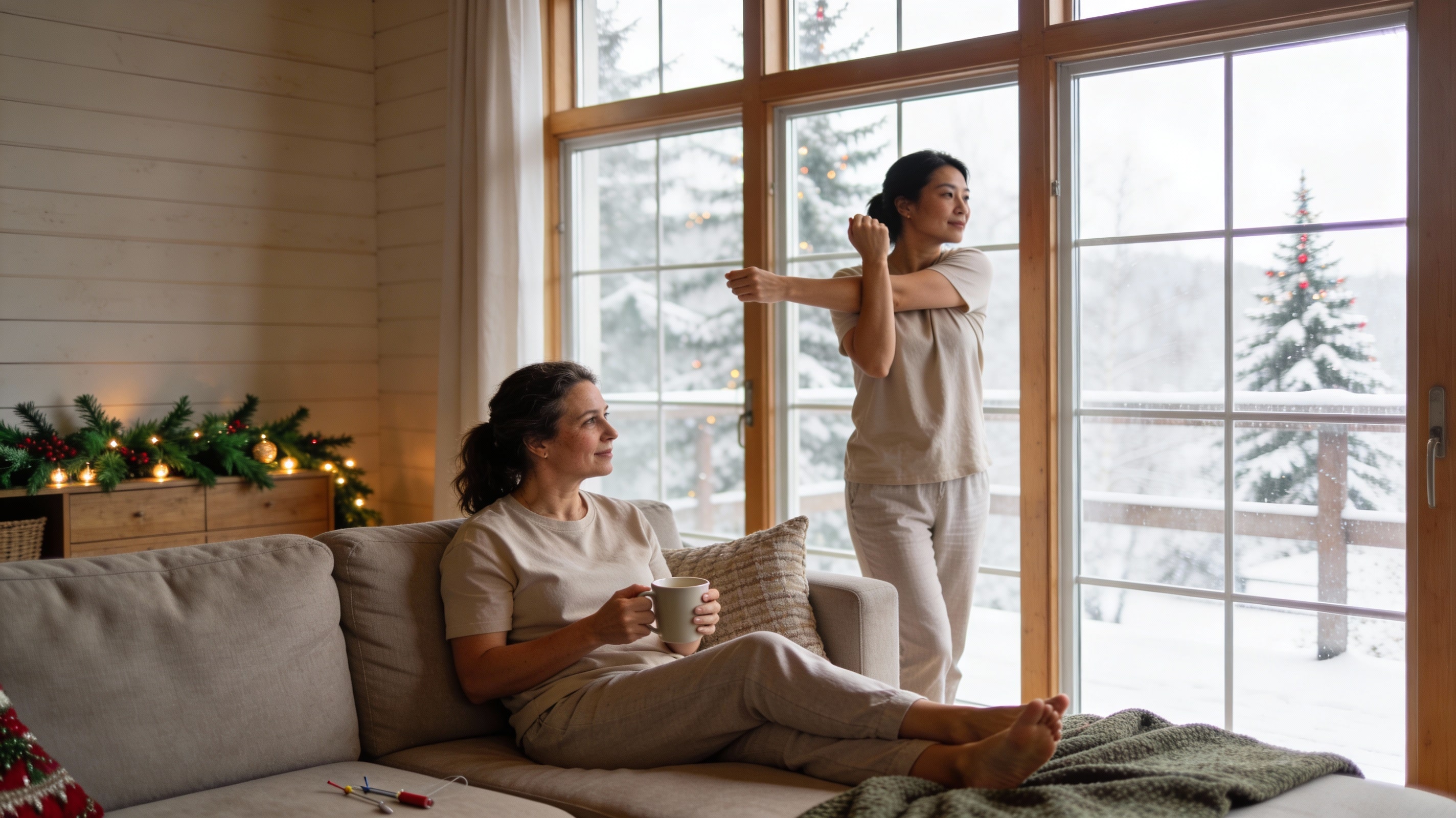
The holidays amplify schedule changes, stress, and social commitments in ways that can shake routines. If you’re taking a GLP-1 medication, shifts in appetite cues, energy, sleep, and digestion can feel more obvious when daily structure gets wobbly.
Staying on track with GLP-1s during the holidays is not about perfection. It’s about protecting a few high-leverage habits that support sleep, stress regulation, and consistency.
Anchor One Daily Habit
When your calendar gets chaotic, your nervous system wants one predictable thing. Pick one daily anchor and treat it like a tiny appointment with yourself.
Good anchors:
- Morning light exposure
- A 10 to 20 minute walk
- A short stretch routine
- A 3 minute breathing reset
- A consistent bedtime wind-down cue
Light is a major driver of circadian timing, and morning light tends to shift the body clock earlier while evening or night light tends to delay it (NCBI).
More daytime outdoor light exposure is also associated with better mood, sleep, and circadian-related outcomes, which is exactly what you want during the holidays.
A Morning Routine That Supports GLP-1 Energy Shifts
Holiday mornings get hijacked first. Stabilizing the first 15 minutes of your day helps everything else feel less chaotic.
Simple morning starter kit:
- Get bright light early
- Hydrate
- Do 2 minutes of easy movement
- Decide your one daily anchor before you open social apps
Light is one of the strongest signals that synchronizes the body’s circadian system, and that system influences sleep, alertness, and mood.
Schedule a Quiet Block Daily
Holiday stress is sneaky. It shows up as irritability, low patience, and “I can’t shut my brain off.” Quiet time is a nervous-system reset, not a luxury.
Pick one quiet block per day:
- Walk without headphones
- 10 minutes of reading
- Breathing practice
- A screen-free sit-down moment
Relaxation strategies like deep breathing, mindfulness, and progressive muscle relaxation are commonly recommended for reducing nighttime stress and easing into sleep (Sleep Foundation).
Stress and sleep also reinforce each other in a loop: stress worsens sleep, and poor sleep increases stress reactivity (National Sleep Foundation).
Find a provider in your state
Answer a few questions and see live pricing from the providers that ship where you live.
Movement That Supports Mood and Stress
Movement is not a punishment and not a “make up for it” thing. It’s a regulation tool.
Holiday-friendly movement:
- 15 to 30 minute walks most days
- Light strength 2 times per week
- Stretching or mobility on busy days
Physical activity is strongly associated with mental well-being and is commonly recommended as part of mental health support (ACSM).
Protect Sleep Like It’s the Main Character
Sleep is the foundation for stress tolerance, emotional regulation, and day-to-day steadiness. Holiday nights often include more screens, later events, and brighter light at the wrong time.
Sleep protection plan:
- Keep a consistent bedtime window most nights
- Dim lights and reduce screens before bed
- Repeat the same wind-down cue nightly
Blue light at night can suppress melatonin and shift circadian timing, making it harder to fall asleep (Harvard).
Light timing effects on the circadian system are well documented, including the pattern of morning light advancing and evening light delaying circadian phase (NCBI).
FAQs That Are Actually Useful for GLP-1 Holiday Searches
How do I stay consistent on GLP-1s during the holidays when my schedule is chaotic?
Use the “minimum effective dose” approach: protect one daily anchor (morning light, gentle movement, wind-down routine, or a quiet block). Morning and daytime light exposure are linked with circadian alignment, mood, and sleep outcomes, which tend to wobble when schedules change (NCBI).
Does holiday stress make it harder to sleep while I’m on a GLP-1?
Stress can make it harder to fall asleep and stay asleep, and poor sleep increases stress reactivity, creating a loop that makes you feel more “on edge.” Building a wind-down routine and using relaxation strategies like breathing exercises can help reduce nighttime stress (Sleep Foundation, Sleep Foundation).
Is morning light exposure actually worth prioritizing?
Yes. Light is a major regulator of circadian rhythms, and the timing of light exposure affects sleep timing and mood. Morning light tends to shift circadian timing earlier, while evening or night light can delay it (NCBI).
Is gentle movement enough during the holidays?
Yes. You do not need intense workouts to get mental health benefits. Regular physical activity is consistently associated with better mental well-being and is often recommended as a supportive strategy (ACSM).
If you enjoy posts like these, you can subscribe to receive newsletter updates.
Find a provider in your state
Answer a few questions and see live pricing from the providers that ship where you live.
Sources
Keep Reading

Worried about GLP-1 side effects like stomach paralysis or “Ozempic face”? This guide debunks myths with real research and clear answers.
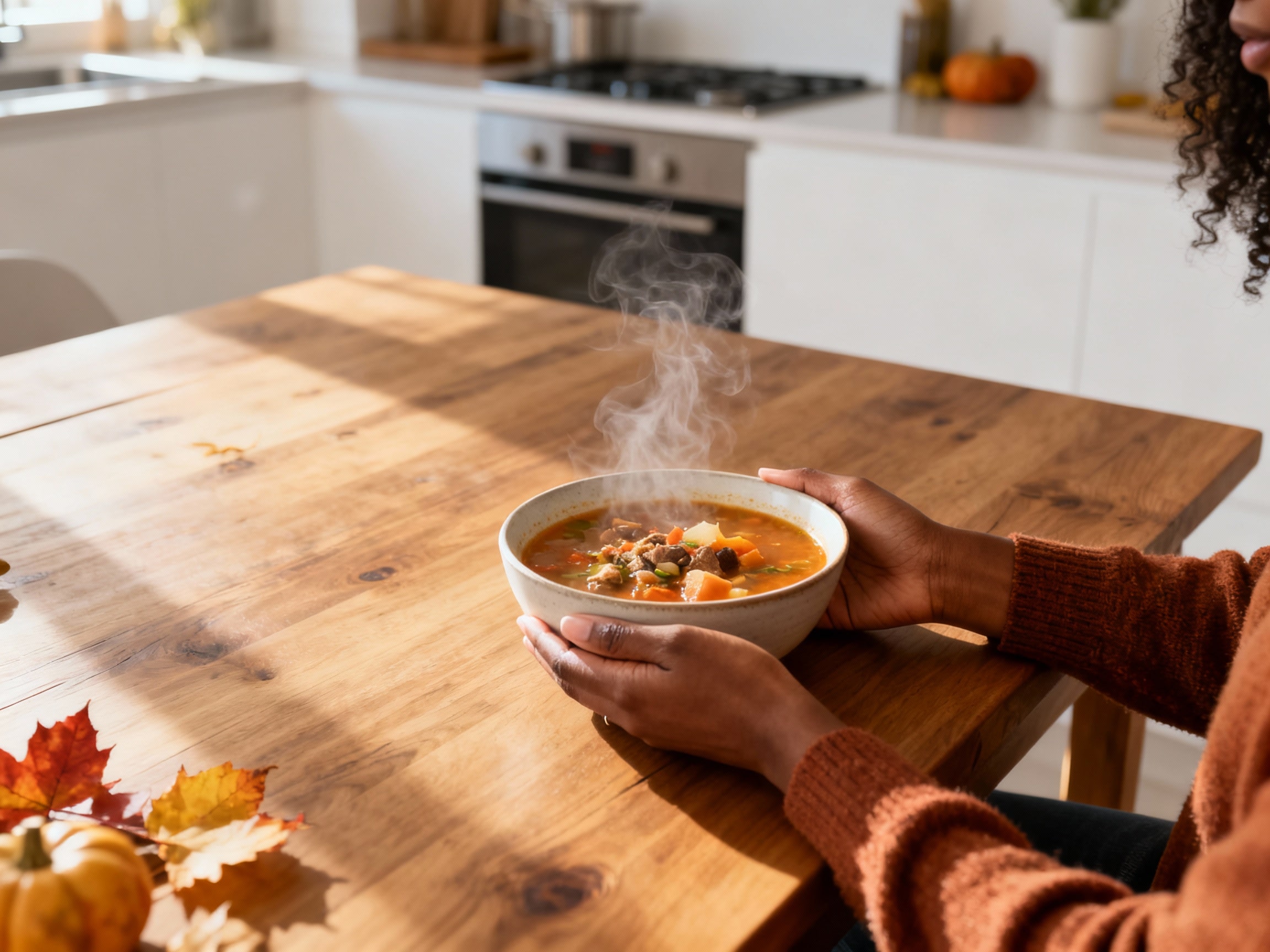
Enjoy five warm, high protein, fall friendly meals designed for GLP-1 eaters. Easy recipes, simple ingredients, and full macros per serving.
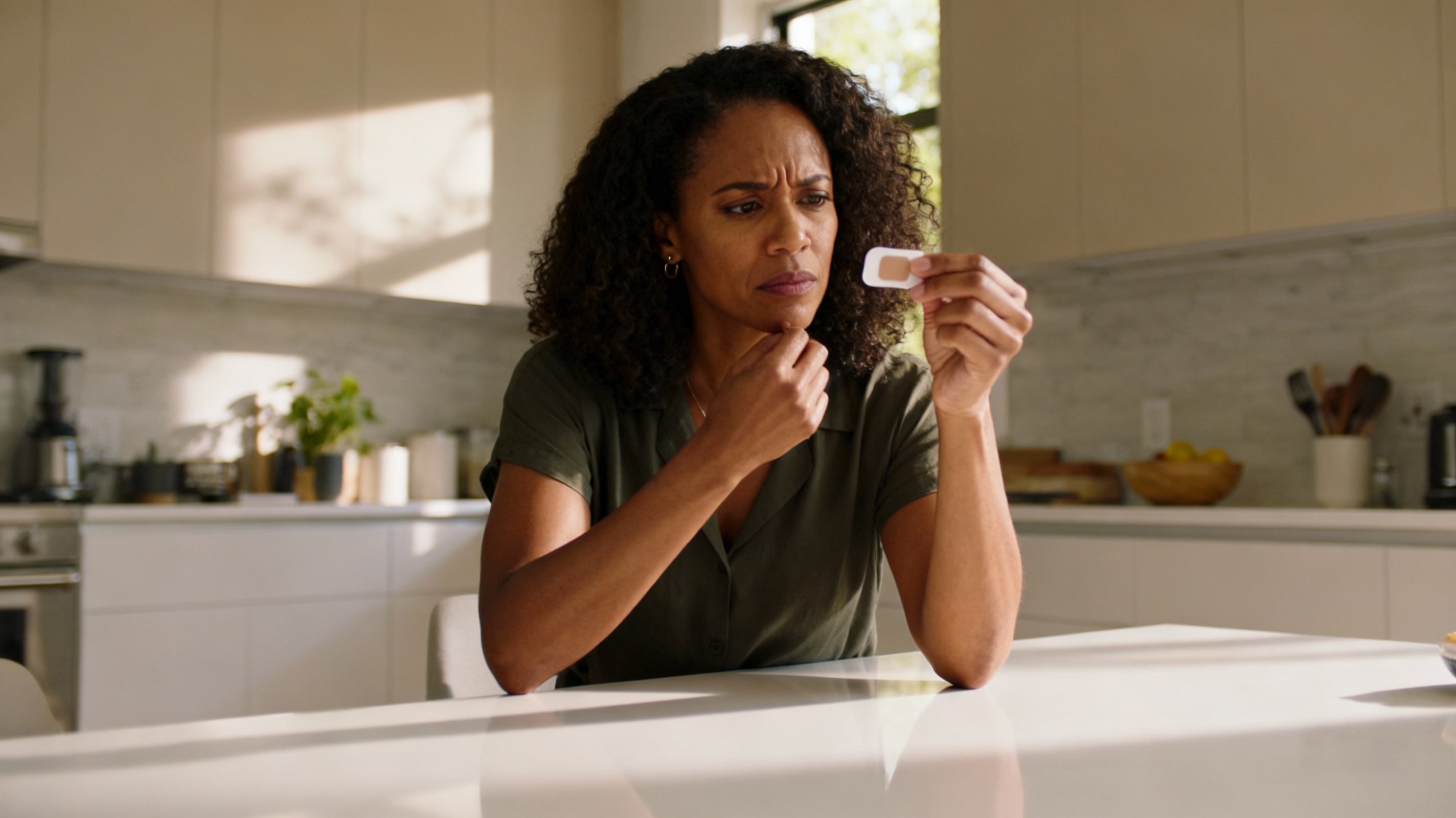
Curious about GLP-1 patches on TikTok? Learn what is real, what is hype, and how to stay safe with GLP-1 treatments that are actually FDA approved.
Categories
Written by
 Lauren Pescarus
Lauren Pescarus is a team member with GLP Winner where she works on marketing, content creation, and operations. She has over 10 years experience in the content creation space, including in the GLP-1 space where she works to stay on top of access news, research updates, and lifestyle tips guided by science.