What Really Makes a Drug a GLP-1? GLP-1s vs. Peptides
Author
Date Published
- Twitter
- Facebook
- LinkedIn
- Instagram
- Copy Link

One-sentence direct answer: A GLP-1 medication is a drug that activates a specific receptor in your body called the GLP-1 receptor, while "peptide" is a much broader category of short amino acid chains that includes some GLP-1 medications and many other substances that have nothing to do with appetite or blood sugar (NCBI Bookshelf).
Who This Helps
This is for anyone who has seen the words "peptide" and "GLP-1" used as if they mean the same thing, spotted "natural GLP-1 peptides" on a wellness site, or heard someone say a friend's cousin is on a peptide that "works just like Ozempic." The confusion has come roaring back this spring, and there is also a 2026 twist that changes part of the conversation.
The Short Version
A few ground rules:
- Not every peptide is a GLP-1.
- Not every GLP-1 medication is a peptide. This part is new in 2026.
- "Peptide" on a supplement label does not mean FDA-approved.
- "GLP-1" on a wellness product does not mean it is the same as Ozempic or Wegovy.
What a Peptide Is
A peptide is a short chain of amino acids. Amino acids are the building blocks of proteins. A long chain is a protein. A short chain is a peptide. That is the full definition at the chemistry level.
The body makes peptides all the time. Insulin is a peptide. Oxytocin, sometimes called the "love hormone," is a peptide. Natural GLP-1 is a peptide too. The word "peptide" tells you about structure. It does not tell you what a molecule does, whether it has been tested, or whether it is safe.
That is the part that gets lost in marketing. A label that says "peptide formula" or "peptide blend" is describing a category of molecules, not a specific, tested, or FDA-approved product.
Find a provider in your state
Answer a few questions and see live pricing from the providers that ship where you live.
What GLP-1 Is
GLP-1 stands for glucagon-like peptide-1. It is a hormone the body naturally makes in the gut after a meal (Wikipedia). Natural GLP-1 helps the pancreas release insulin when blood sugar rises, slows how fast food leaves the stomach, and signals fullness to the brain. Natural GLP-1 is itself a peptide, and it breaks down very quickly, which is one reason a GLP-1 medication has to be designed to last longer than the natural version does (PubMed Central).
A GLP-1 medication is any drug designed to activate the GLP-1 receptor in a longer-lasting way than the natural hormone. The medical term is GLP-1 receptor agonists, which is the medical term for medications that activate a receptor in the body that helps with blood sugar and appetite. For the rest of this post, we will call them GLP-1 medications.
The Part That Is New in 2026
For years, every GLP-1 medication on the U.S. market was a peptide. Semaglutide, the active drug in Ozempic, Wegovy, and Rybelsus, is a peptide. Tirzepatide, the active drug in Mounjaro and Zepbound, is also a peptide. Liraglutide, the active drug in Saxenda and Victoza, is a peptide (NCBI Bookshelf).
In April 2026, that changed. The FDA approved Foundayo (orforglipron), which is a GLP-1 medication that is not a peptide at all (Science Translational Medicine). Orforglipron is what chemists call a small molecule, which is a simpler chemical structure that is stable in stomach acid and does not break down the way a peptide would. We wrote a full explainer on what Foundayo's approval actually means for you if you want the deeper version.
This is why we now have to be careful about saying "GLP-1 medications are peptides." That was true right up until this spring. Today, GLP-1 medications include both peptides and small molecules. All of them activate the same receptor. They just get there with different chemistry.
Why the Confusion Matters
These are the kinds of phrases showing up online:
- "Natural GLP-1 peptides for weight loss"
- "Clinically proven peptide stack"
- "Activates your body's natural GLP-1 release"
- "Nature's Ozempic"
These phrases all sound scientific. They are not describing FDA-approved medications. They describe supplements, research chemicals, or grey-market products that have not gone through the approval process required for real GLP-1 medications.
Two posts go deeper on this: what the science really says about "natural GLP-1" and peptide supplements and grey market peptides and why they matter.
Language to Watch For
Here is a short list of marketing phrases that should raise a red flag when you are shopping online for anything related to GLP-1 medications.
- "Nature's Ozempic." Ozempic is a specific FDA-approved medication. No food, supplement, or peptide blend is equivalent to it.
- "Natural GLP-1 peptides." All GLP-1 medications are made in a lab or manufacturing facility, even the ones that are peptides. "Natural GLP-1" as a supplement category is a marketing phrase, not a drug class.
- "Clinically proven peptides." Most peptide supplements have not gone through clinical trials for the specific claims being made.
- "FDA-registered facility." A registration is a legal requirement for facilities that make or store supplements. It is not FDA approval of the products made there.
- "Activates your body's natural GLP-1." All food triggers some GLP-1 release. This framing implies a therapeutic effect that does not exist at meaningful levels in a supplement.
How to Sort Real from Marketing
A quick checklist:
- Is there a brand name you can find on the FDA's approved drug list? FDA-approved GLP-1 medications include Ozempic, Wegovy, Rybelsus, the Wegovy pill, Mounjaro, Zepbound, Saxenda, Victoza, and Foundayo (FDA).
- Is a licensed provider prescribing it? Real GLP-1 medications should come from a licensed provider who has reviewed your medical history. If you are wondering what that process looks like, read how to know if you qualify for a GLP-1 prescription.
- Is it being sold as a supplement, patch, or "peptide protocol" at a checkout cart? If so, it is not an FDA-approved GLP-1 medication, regardless of what the label says.
What About Compounded GLP-1 Medications?
Compounded GLP-1 medications from licensed 503A or 503B pharmacies are a separate and important category, not the same as supplements or grey-market peptides. They operate under a real regulatory framework. Two posts cover this in detail: what is a compounding pharmacy and why it matters for GLP-1s and 503A vs 503B compounding pharmacies.
Compounded GLP-1 products are not FDA-approved as finished drugs, and the FDA has stated that they cannot be marketed as "generic," "the same as," or "clinically proven" versions of FDA-approved medications (FDA). Compounded pharmacy medications live inside the regulated pharmacy world. Supplements and grey-market peptides do not. For vetting a compounded provider, see how to evaluate telehealth and compounded GLP-1 providers.
How GLP Winner Thinks About This
Our job is to help you tell the difference between a real GLP-1 medication and a product using the same words for marketing. We are not here to push you toward any one option. We are here to help you spot the difference between a medication your provider can prescribe and a gamble on a checkout cart. If you want to compare real providers and medications side by side, you can start with the GLP Winner provider survey.
Final Takeaway
A peptide is a chemical term for a short chain of amino acids. A GLP-1 medication is a drug that activates the GLP-1 receptor in your body. Some GLP-1 medications are peptides. As of this spring, some are not. And most peptides have nothing to do with GLP-1 at all. The words get used as if they mean the same thing, but they really do not. When you see "peptide" or "GLP-1" on a label, slow down and ask what the product actually is, who is selling it, and whether it has FDA approval. Real GLP-1 medications come from a prescription pad and a provider who knows your history, not a supplement shelf.
If you enjoy posts like these, you can subscribe to receive newsletter updates.
Find a provider in your state
Answer a few questions and see live pricing from the providers that ship where you live.
Keep Reading
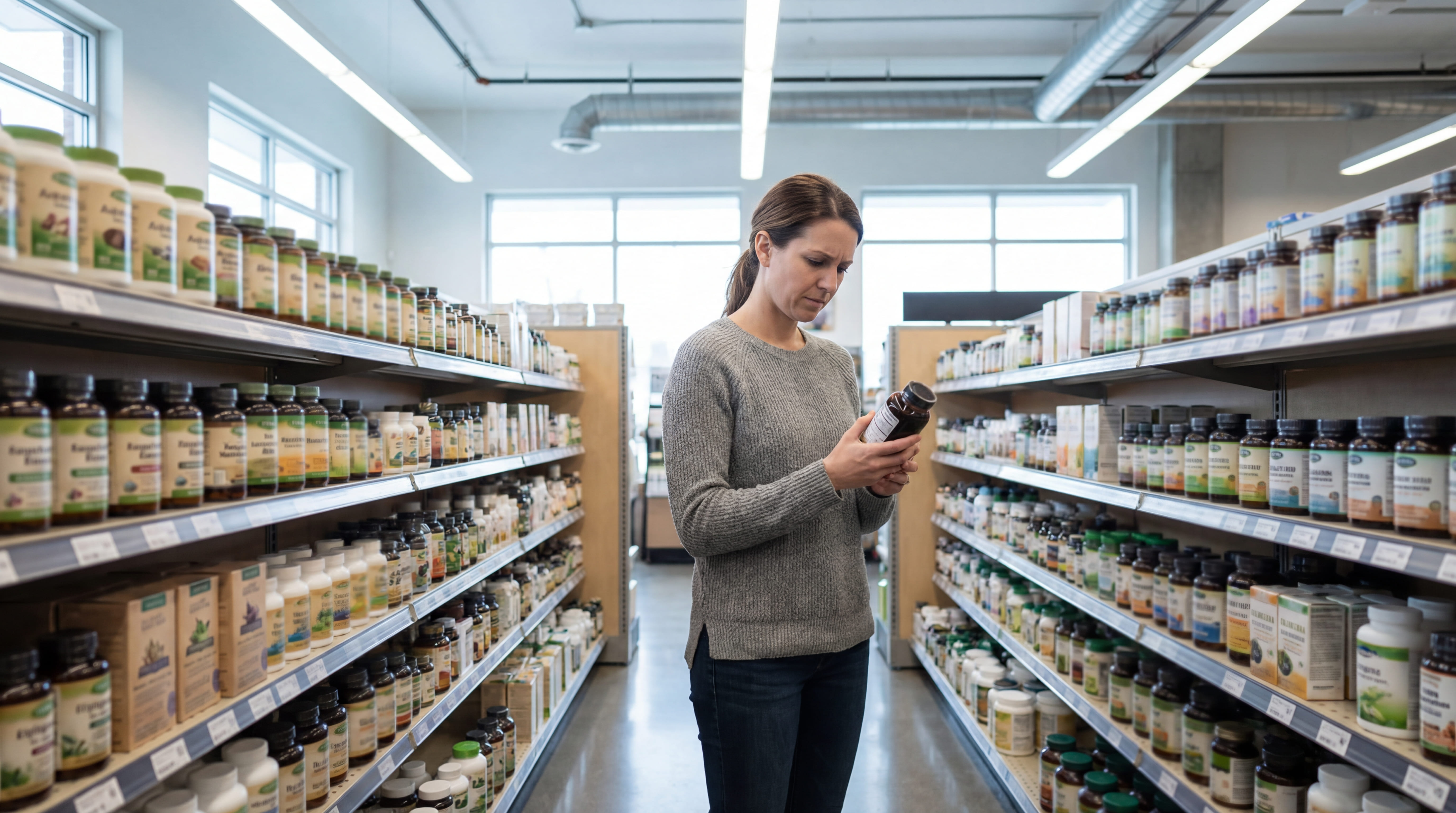
Products marketed as "natural GLP-1s" and peptide supplements are everywhere. Here is what the science says and how to protect yourself.

Learn what grey-market peptides are, why they’re risky, and how to choose safer FDA-approved or properly compounded options instead.

Updated for 2026. How 503A and 503B pharmacies differ, why a 503B may have no state license, the pending FDA change, and how to verify yours.

How clinicians determine GLP-1 eligibility for weight management or type 2 diabetes, including BMI criteria, medical review, and FDA approval status.
Written by
 Lauren Pescarus
Lauren Pescarus is a team member with GLP Winner where she works on marketing, content creation, and operations. She has over 10 years experience in the content creation space, including in the GLP-1 space where she works to stay on top of access news, research updates, and lifestyle tips guided by science.