Why You Start Moving Less on a GLP-1 and How to Fix It
Author
Date Published
- Twitter
- Facebook
- LinkedIn
- Instagram
- Copy Link

If you started a GLP-1 medication and feel like you are moving less than you used to, you are not imagining it. A 2026 study found that adults with obesity took fewer daily steps and logged fewer active minutes after starting a GLP-1 medication (Endocrine Society). The good news is that this is fixable, and a little planned movement goes a long way toward protecting your strength while you lose weight.
Who This Helps
This is for anyone taking or thinking about a GLP-1 medication, including brands like Ozempic, Wegovy, Mounjaro, and Zepbound. It is also for the family members and caregivers who want to help a loved one stay strong and steady while the medication does its work.
What the New Study Found
Researchers tracked people's activity before and after they started a GLP-1 medication and saw a clear drop. Average daily steps fell from 5,047 to 4,487, and moderate to vigorous activity dropped from about 28 minutes a day to 22 minutes a day (Endocrine Society).
The findings came from a study presented at a 2026 medical meeting that used fitness-tracker data from a large national health research program. Of 1,950 adults with obesity who started a GLP-1 medication, 753 had enough wearable-device data to study, and the group was mostly women with an average age of about 53.
The largest drops in activity showed up in men and in people who had joint or muscle pain, while age, heart failure, and a past stroke did not change the pattern. The study also found no sign that losing weight on its own led people to move more.
Why Moving Less Matters on a GLP-1
Moving less matters because GLP-1 medications lower body fat and some lean muscle at the same time, so staying active is one of the main ways to protect your strength (Endocrine Society).
Keeping muscle is about more than looks. Muscle supports your balance, your energy, and your ability to keep weight off over time, which is why preserving lean body mass is a priority during medical weight loss (Massachusetts General Hospital).
Pairing the medication with regular movement and strength work helps you keep more muscle than the medication alone would, so the two work better together than either does by itself (Frontiers in Endocrinology).
What this means for you: the medication handles your appetite, and your job is to keep your body moving enough to protect the muscle underneath the weight you are losing.
Why You Might Feel Less Like Moving
When your appetite drops sharply on a GLP-1, you are eating far less, and less food can mean less fuel for workouts, especially in the early weeks. If you want the fuller picture of how these medications quiet hunger, our explainer on why “just eat less” rarely works walks through the biology.
The 2026 study did not test why activity dropped, but it did show the biggest declines in people with joint or muscle pain, which is a reminder that comfort and energy both shape how much you feel like moving (Endocrine Society). Knowing the dip is common makes it easier to plan around instead of feeling discouraged by it.
How Much Should You Exercise on a GLP-1?
A good target for most adults is 150 minutes a week of moderate activity, such as brisk walking, plus muscle-strengthening activity on at least 2 days a week, and you can split the minutes into small chunks across the week (CDC).
If you are older or returning to exercise after a long break, the same weekly target applies, with the added suggestion to include activities that improve balance, like standing on one foot or gentle tai chi (CDC). Any amount of movement counts, so starting small still helps.
Small Ways to Move More Without Overhauling Your Life
You do not need a gym membership or a big time commitment. Small, repeatable habits add up faster than the occasional hard workout.
- Take a short walk after meals, even 10 minutes, since brisk walking counts toward your weekly aerobic target (CDC).
- Add strength work twice a week using your own body weight, light dumbbells, or resistance bands, which meets the muscle-strengthening guideline.
- Build protein into your smaller meals, since getting enough protein along with strength training helps protect muscle while you lose weight (Massachusetts General Hospital).
- Use a phone or fitness tracker to watch your daily steps, because seeing the number makes it easier to nudge it back up when it slips.
- Pick activities you actually enjoy, whether that is dancing, gardening, swimming, or walking with a friend, so movement feels less like a chore.
If eating enough protein feels hard when your appetite is low, our guide on how to order at restaurants on a GLP-1 has practical tactics that carry over to meals at home.
What this means for you: you do not have to chase the activity you had before, you just have to keep some movement and a little strength work in your week so your body stays strong as the weight comes off.
When Cost or Access Gets in the Way
Building these habits is easier when you are not worried about whether you can stay on your medication. If price or provider questions are a barrier, you can compare telehealth providers and transparent pricing, including HSA and FSA options, with the GLP Winner provider survey, so the medication side feels steady while you focus on movement.
Final Takeaway
Moving less on a GLP-1 is common, and now you know why it happens. The medication lowers your appetite, and your body often follows with less movement unless you plan for it.
You do not need to train like an athlete. A few short walks, two short strength sessions, and enough protein are enough to protect the muscle you want to keep.
Start small and let it build. Steady habits beat perfect ones, and any movement you add is movement that helps.
Most of all, be patient with yourself in the early weeks when energy is low. The goal is a stronger, healthier you for the long run, not a perfect week.
If you enjoy posts like these, you can subscribe to receive newsletter updates.
Sources
Find a provider in your state
Answer a few questions and see live pricing from the providers that ship where you live.
Keep Reading
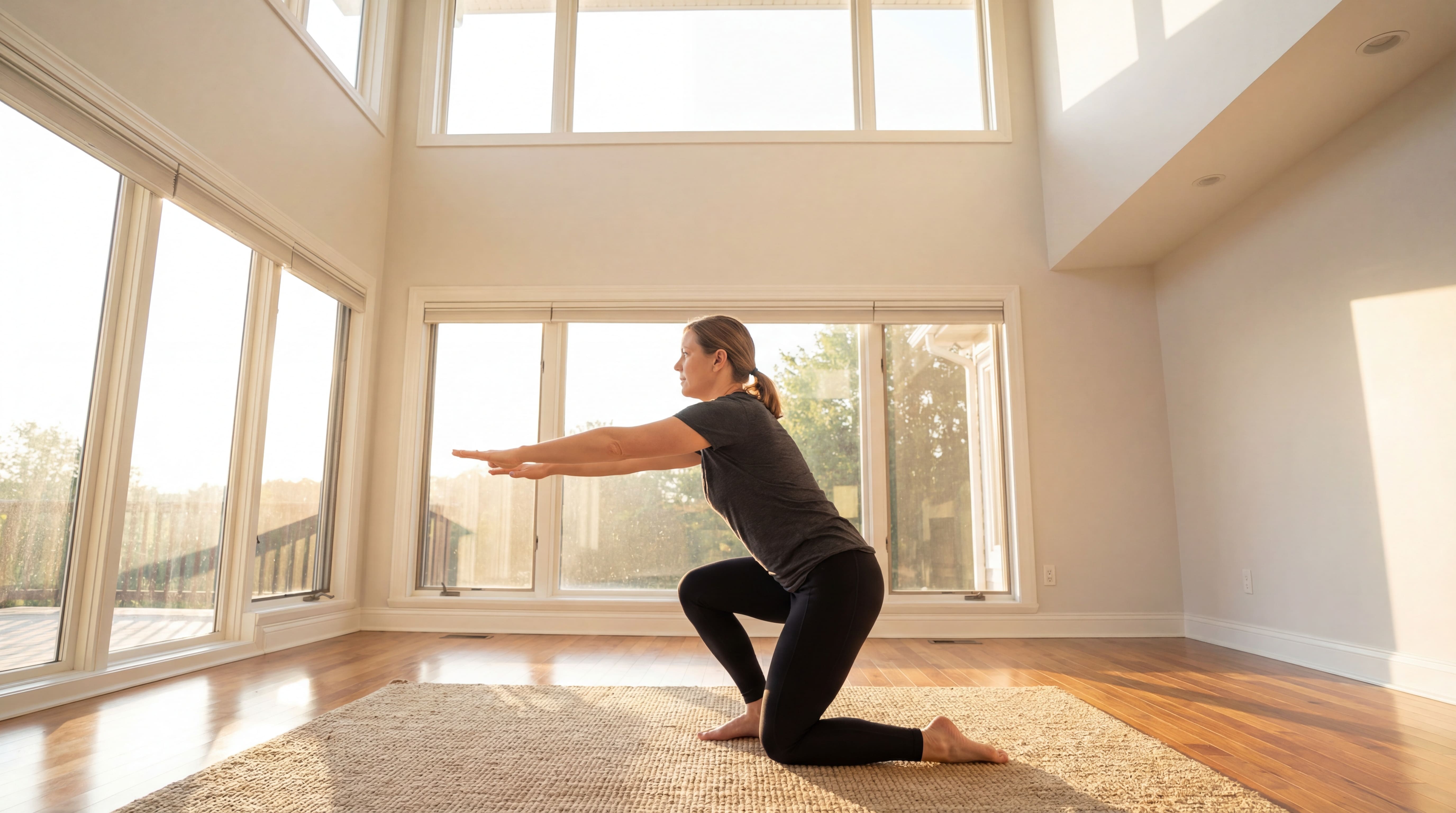
Protect your muscle mass on a GLP-1 medication with these 7 beginner bodyweight exercises you can do at home in 10 minutes.

Learn how to preserve and build muscle while losing weight on GLP-1s, including strength training, protein intake, and realistic expectations.

Lost weight on a GLP-1 and worried a new provider won’t approve? Here is what the FDA labels, the research, and Medicare’s $50 program actually say.
Written by
 Lauren Pescarus
Lauren Pescarus is a team member with GLP Winner where she works on marketing, content creation, and operations. She has over 10 years experience in the content creation space, including in the GLP-1 space where she works to stay on top of access news, research updates, and lifestyle tips guided by science.