Can GLP-1 Medications Cause Scurvy? What the Research Says About Nutrition and Weight Loss Drugs
Author
Date Published
- Twitter
- Facebook
- LinkedIn
- Instagram
- Copy Link

GLP-1 medications like Ozempic, Wegovy, and Mounjaro do not directly cause scurvy, but researchers are finding that the reduced appetite these drugs create can lead to serious nutritional gaps, including vitamin C deficiency, which is what causes scurvy.
Who This Helps
This is for anyone currently taking a GLP-1 medication or thinking about starting one. If you have noticed changes in what or how much you eat since starting treatment, this is especially worth reading.
If you are new to GLP-1 medications, GLP Winner has a simple guide that explains GLP-1, GLP-2, and GIP in plain language.
Why Scurvy Is Back in the News
You may have seen recent headlines about GLP-1 users being diagnosed with scurvy. Scurvy is caused by a lack of vitamin C, and it used to be most common among sailors who went months without fresh fruits or vegetables. It is easily preventable and treatable, but it can cause real problems if it goes unnoticed, including bleeding gums, wounds that will not heal, fatigue, and joint pain (Fast Company).
The connection to GLP-1 medications is not that the drugs themselves strip your body of vitamin C. The issue is simpler than that. When your appetite drops significantly, you eat less food overall. And when you do eat, you may reach for things that are easy on your stomach, like crackers, toast, or broth, instead of the fruits and vegetables that provide vitamin C and other nutrients your body needs.
For a broader look at what side effects come with GLP-1 medications, GLP Winner covers the most common GLP-1 side effects and when they happen.
What the Research Shows
This is not just anecdotal. Several studies published in 2025 and 2026 have looked at what happens to people’s nutrition when they take GLP-1 medications, and the findings are worth paying attention to.
Most clinical trials never tracked what people were eating
A systematic review led by Professor Clare Collins at Hunter Medical Research Institute looked at 41 clinical trials involving GLP-1 and GIP medications with more than 50,000 participants. Only two of those studies actually measured what people ate while on the medication (PubMed). That means the vast majority of the research behind these drugs has a blind spot when it comes to nutrition.
What this means for you: The clinical trials that got these medications approved were not designed to track whether people were getting enough nutrients. That gap matters, because weight loss does not automatically mean someone is well-nourished.
GLP-1 users showed higher rates of malnutrition before surgery
A study published in the Arthroplasty Today journal looked at patients heading into joint replacement surgery. Among those taking GLP-1 medications, 38% met the criteria for malnutrition, compared to about 9% of patients who were not on the drugs. Nearly one in five GLP-1 users had severe malnutrition, defined as deficiencies in two or more nutritional markers (ScienceDirect).
Deficiencies showed up within 12 months
A separate study looking at adults with type 2 diabetes found that more than 20% of participants had at least one nutritional deficiency after 12 months on a GLP-1 medication. Vitamin D was the most common issue, showing up in about 14% of participants by the one-year mark. Iron levels were also notably lower, with GLP-1 users showing 26% to 30% lower ferritin than a comparison group. And more than 60T of participants were not getting enough calcium or iron from their diet alone (ScienceDirect).
Which Nutrients Are Most at Risk
Based on the research published so far, here are the nutrients that GLP-1 users are most likely to fall short on (PubMed):
- Vitamin C – the one behind the scurvy headlines. Found in citrus fruits, strawberries, bell peppers, and broccoli.
- Vitamin D – the most commonly flagged deficiency in GLP-1 studies. Important for bone health, immunity, and mood.
- Iron – essential for energy and oxygen transport. Red meat, spinach, and lentils are good sources.
- Calcium – critical for bones and teeth, especially for anyone losing weight quickly.
- B vitamins (including B1 and B12) – important for nerve function, energy, and brain health.
- Protein – not a vitamin, but GLP-1 users often undereat protein, which can lead to muscle loss on top of fat loss.
A joint advisory from the American College of Lifestyle Medicine, the American Society for Nutrition, the Obesity Medicine Association, and the Obesity Society flagged these same nutrients and recommended that providers pay close attention to them in patients on GLP-1 therapy (PMC).
How to Protect Yourself
The good news is that nutritional deficiencies on GLP-1 medications are preventable. Here are some practical steps that come directly from the research and clinical recommendations.
1. Eat the important stuff first
When your appetite is small, the order matters. Prioritize protein, fruits, and vegetables before filling up on toast or crackers. Even a few bites of the right foods can make a big difference in your nutrient intake.
2. Talk to your doctor about bloodwork
Ask for a basic nutritional panel that includes vitamin D, iron, B12, and calcium. This gives you and your provider a clear picture of where you stand, and it is easy to correct a deficiency early if you catch it.
3. Consider a daily multivitamin
A standard multivitamin can help cover gaps, especially for vitamin C, D, and B vitamins. Researchers have drawn parallels between GLP-1 nutrition management and post-bariatric surgery care, where vitamin supplementation is standard practice (Nature / International Journal of Obesity).
4. Work with a dietitian if you can
A registered dietitian can help you build a plan that works with your appetite level, not against it. This is especially important during the early months of treatment when appetite suppression tends to be strongest.
5. Do not ignore warning signs
Bleeding gums, unexplained bruising, fatigue, hair thinning, or wounds that heal slowly can all be signs of nutritional deficiency. These are not things to push through. Mention them to your doctor.
Why This Matters
GLP-1 medications like Ozempic, Wegovy, Mounjaro, and Zepbound are effective tools for weight management and blood sugar control. Millions of people are taking them and seeing real results.
But the research is catching up to a reality that many users already feel: when you eat significantly less, you need to be more intentional about what you do eat. The drugs do their job. The gap is in the guidance that comes with them.
As Professor Collins put it in her research, the clinical trials behind these medications were not set up to track nutrition. That means the full picture of how these drugs affect your diet is still being filled in (PubMed).
GLP Winner is here to help you stay informed. You can explore GLP-1 providers and pricing through the GLP Winner comparison tool, or keep reading through the Insights blog for the latest.
Final Takeaway
Scurvy sounds like something from a history book, and for most people, it still is. But the reason it is making headlines again is a real one. GLP-1 medications can reduce your appetite so much that you stop getting enough of the basics, including vitamin C.
That does not mean these medications are dangerous. It means that nutrition needs to be part of the conversation when you start or continue GLP-1 treatment. A multivitamin, some bloodwork, and a little extra attention to what you eat can go a long way.
Stay informed. Talk to your doctor. And eat your fruits and vegetables, even if it is just a few bites.
If you enjoy posts like these, you can subscribe to receive newsletter updates.
Find a provider in your state
Answer a few questions and see live pricing from the providers that ship where you live.
Sources
Keep Reading

Worried about GLP-1 side effects like stomach paralysis or “Ozempic face”? This guide debunks myths with real research and clear answers.

Worried about GLP-1 side effects? Learn what’s common, how often it happens, and when symptoms usually start.

Learn what the new food pyramid includes, how it differs from past guidelines, and what it means for your food choices and grocery bills.
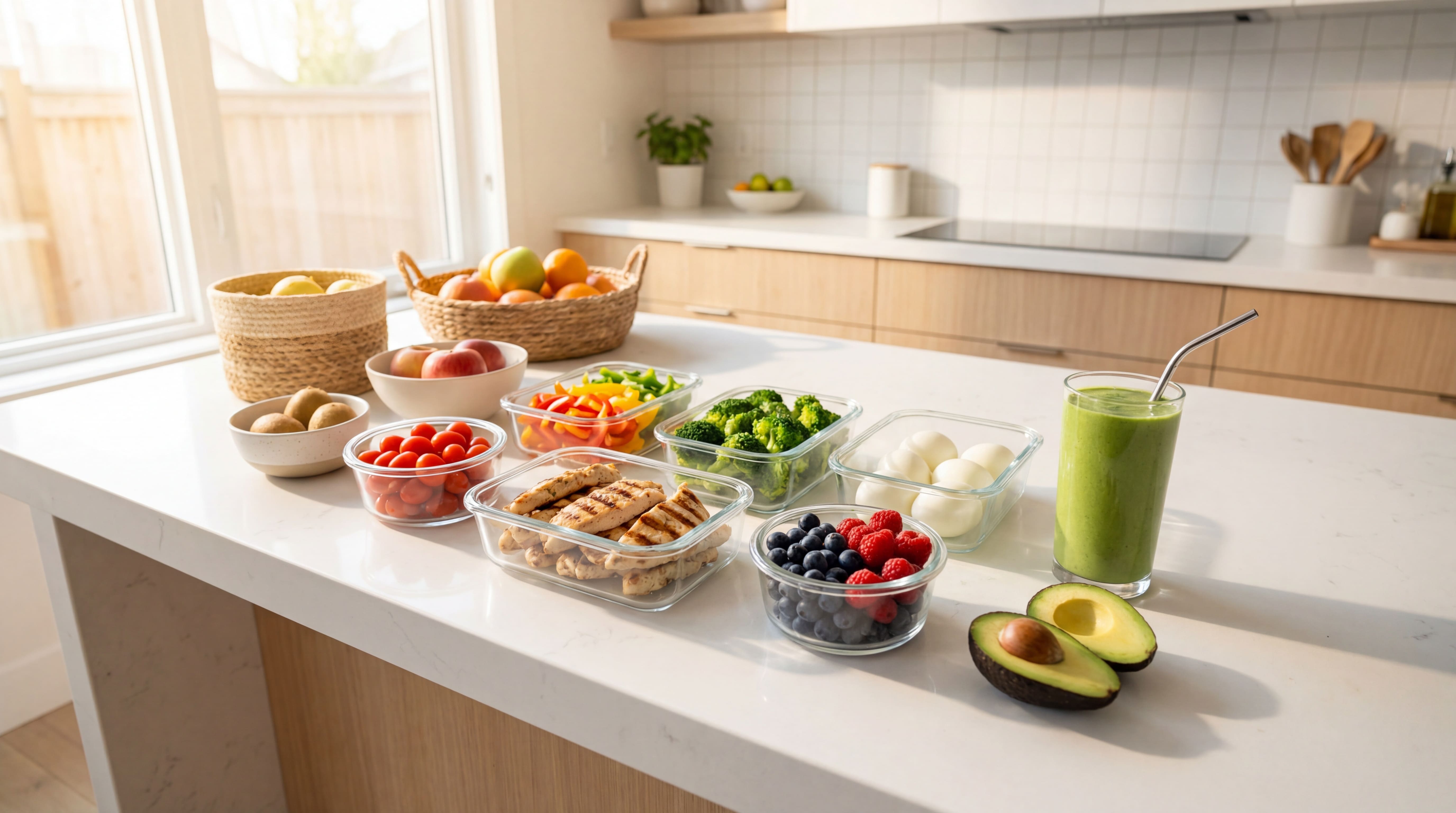
See what a full day of eating looks like on a GLP-1 with protein, fiber, and carb targets. Sample meals, macros, and tips for Ozempic users.
Written by
 Lauren Pescarus
Lauren Pescarus is a team member with GLP Winner where she works on marketing, content creation, and operations. She has over 10 years experience in the content creation space, including in the GLP-1 space where she works to stay on top of access news, research updates, and lifestyle tips guided by science.