GLP-1s in Summer: Heat, Hydration, and Storage Tips
Author
Date Published
- Twitter
- Facebook
- LinkedIn
- Instagram
- Copy Link

GLP-1s in Summer: Heat, Hydration, and Smart Storage
The two things that matter most for staying comfortable on a GLP-1 in summer are drinking enough water and keeping your medication out of the heat. GLP-1 medications can slow digestion and cause nausea, vomiting, or diarrhea, and when you add hot weather and sweat, you can get dehydrated faster than usual (CDC). Your medication also needs protection, because high heat can break the medicine down.
Who This Helps
This is for anyone taking a GLP-1 medication who is heading into warm weather, traveling, or spending long days outdoors. It is also for people who have heard that these medications make your skin more sensitive to the sun and want to know what is actually true. The tips here are practical, and none of them replace advice from your own clinician.
Why Summer Can Hit Harder on a GLP-1
GLP-1 medications work in part by slowing how fast your stomach empties, which is also why nausea, vomiting, and diarrhea are among the most common side effects (Wegovy Prescribing Information). Any of those reactions can pull fluid out of your body. In hot, humid weather you are already losing water through sweat, so the two effects can stack and leave you low on fluids before you notice (Texas Diabetes and Endocrinology). Early signs of dehydration include headache, dizziness, dark urine, and feeling unusually tired.
Find a provider in your state
Answer a few questions and see live pricing from the providers that ship where you live.
How Much Water, and What Else to Drink
A good habit is to sip water steadily through the day rather than gulping a lot at once, since large amounts can feel worse when your stomach is already slow. If you have been sweating heavily or had stomach upset, plain water alone may not be enough, because you also lose electrolytes like sodium and potassium. An electrolyte drink or a salty snack with water can help you hold onto fluids. If you take a GLP-1 such as Wegovy or Ozempic, keep a water bottle visible as a reminder, because reduced appetite can also dull your sense of thirst.
What This Means for You
If you only change one thing this summer, make it steady hydration. Sipping water and replacing electrolytes after heat or stomach upset prevents most of the dizziness and fatigue people blame on the medication itself. It is a small habit that protects how you feel on the hottest days.
Does a GLP-1 Make Your Skin More Sensitive to the Sun?
Increased sun sensitivity is not a known or listed effect of semaglutide or tirzepatide, the medicines in the main GLP-1 brands (Fella Health). So the usual summer skin rules apply to you the same as anyone else: wear sunscreen, cover up during peak hours, and reapply after swimming or sweating. The bigger summer risk on a GLP-1 is dehydration and heat fatigue, not sunburn caused by the drug.
Storing and Traveling With Your Pen in the Heat
Before first use, most GLP-1 pens are stored in the refrigerator at 36 to 46 degrees Fahrenheit (Novo Nordisk Medical). Once you start using a pen, many can sit at room temperature up to 86 degrees Fahrenheit for a set number of days, but the exact window differs by product, so check the leaflet that came with yours. Heat above that range can cause the medicine to break down and work less well, and you should never use a pen that has been frozen or left somewhere very hot.
That means the back seat of a parked car, a beach bag in direct sun, and a hot windowsill are all off limits. For day trips, carry your pen in an insulated pouch with a cool pack, but keep a cloth between the pen and the ice so it does not freeze. When you fly, pack it in your carry-on, never checked luggage, since the cargo hold can get extremely hot or cold. If you are unsure whether a pen got too warm, ask your pharmacist before using it.
Eating and Moving in the Heat
Cookouts, road trips, and long pool days can throw off your routine. Smaller, lighter meals tend to sit better than heavy plates when your digestion is already slow, and cold foods with water content, like cucumber, melon, or yogurt, do double duty for hydration. If you exercise outdoors, aim for the cooler morning or evening hours, and slow down if you feel lightheaded. You can find more practical, season-by-season tips on the Insights blog hub.
Final Takeaway
Summer on a GLP-1 is very doable with a little planning. Drink water steadily, replace electrolytes after heat or stomach upset, and watch for early signs of dehydration. Keep your pen out of hot cars and direct sun, and carry it on board when you fly. Sun sensitivity is not a known effect of these medications, so normal sunscreen habits are enough. Lighter meals and cooler workout hours round out an easy routine. With these basics in place, you can enjoy the season and keep your treatment on track.
If you enjoy posts like these, you can subscribe to receive newsletter updates.
Find a provider in your state
Answer a few questions and see live pricing from the providers that ship where you live.
Keep Reading
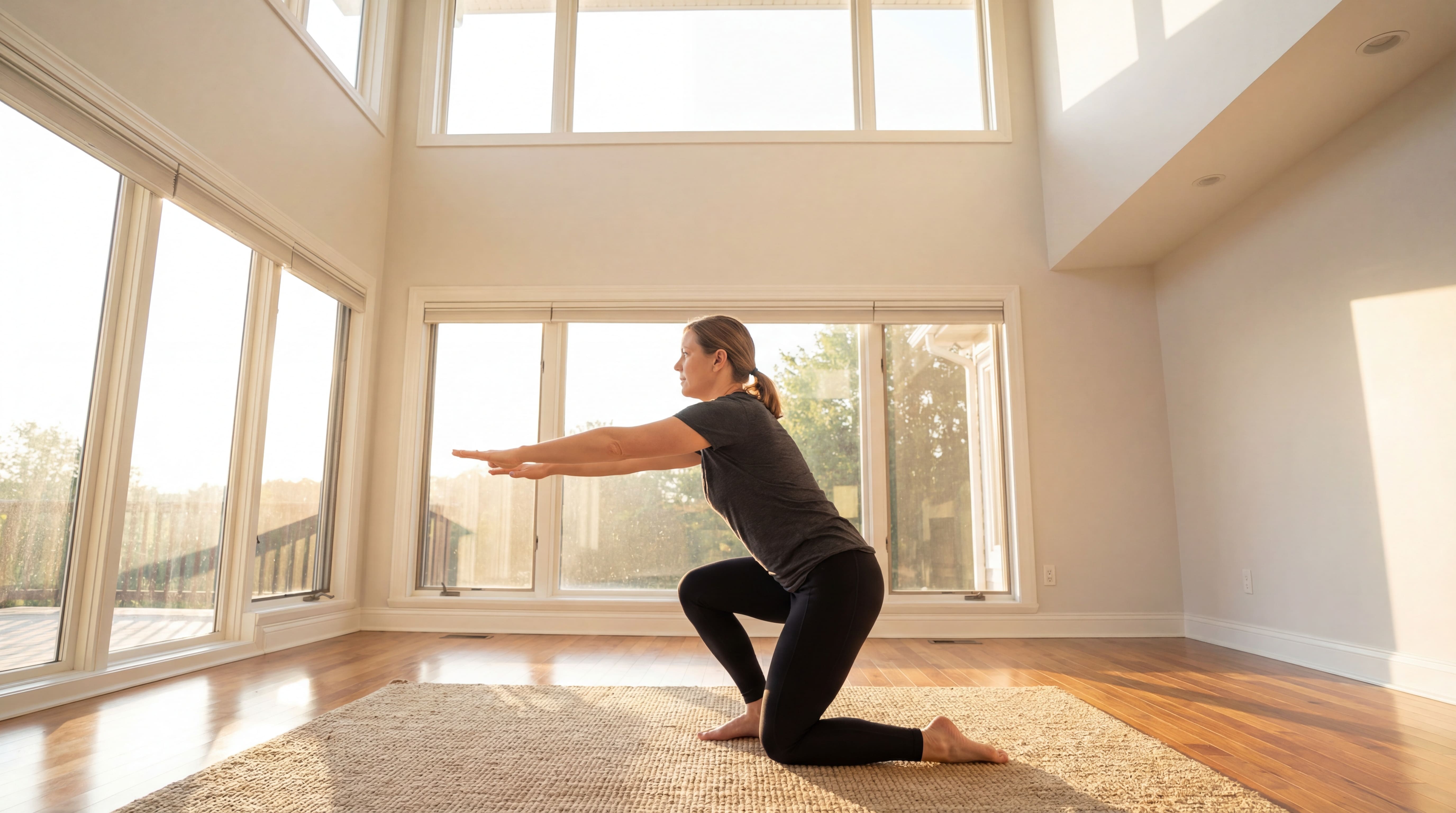
Protect your muscle mass on a GLP-1 medication with these 7 beginner bodyweight exercises you can do at home in 10 minutes.
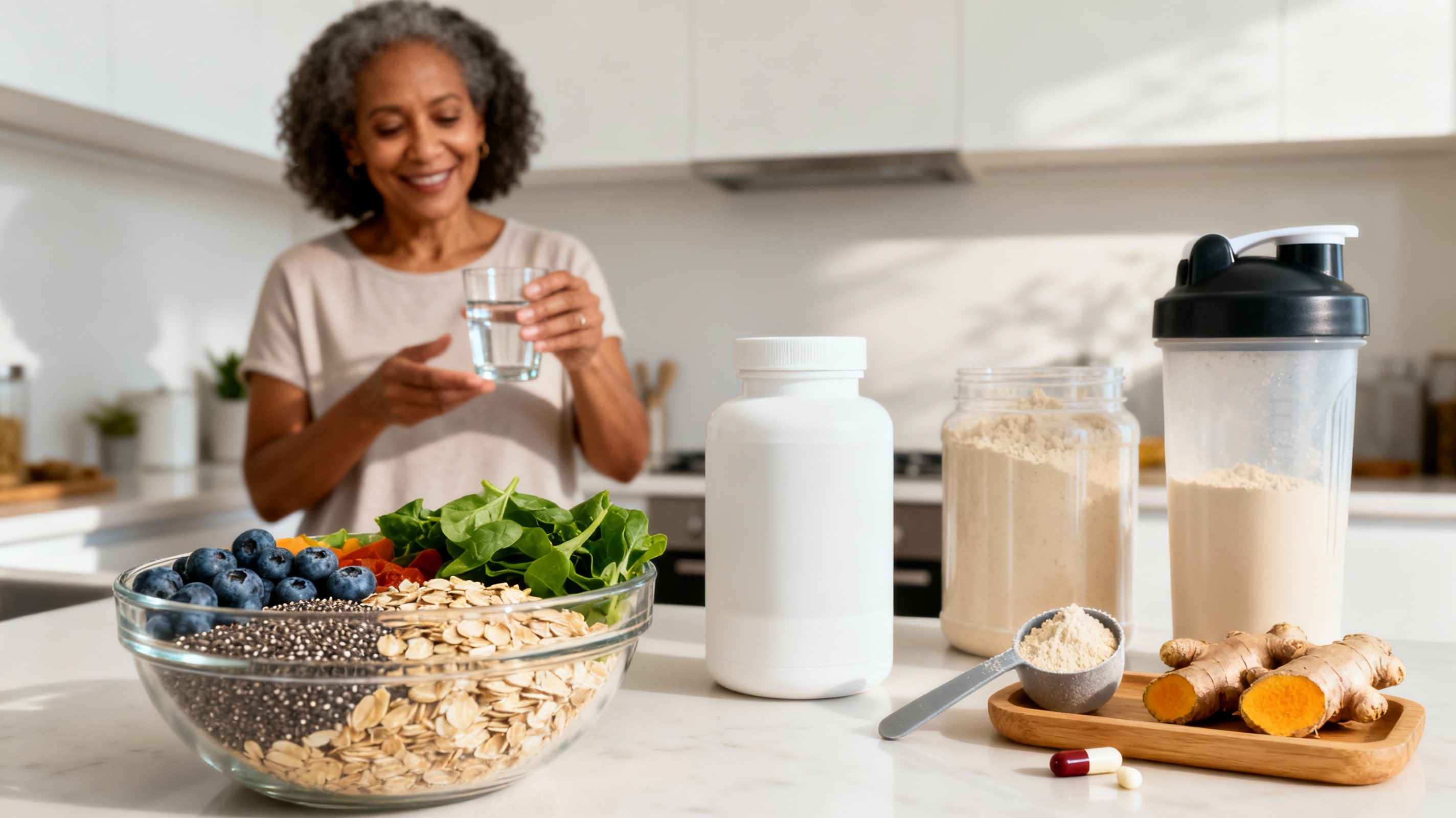
Curious about supplements and GLP-1s? Learn what the science actually shows, what is still unknown, and how to talk with your doctor safely.
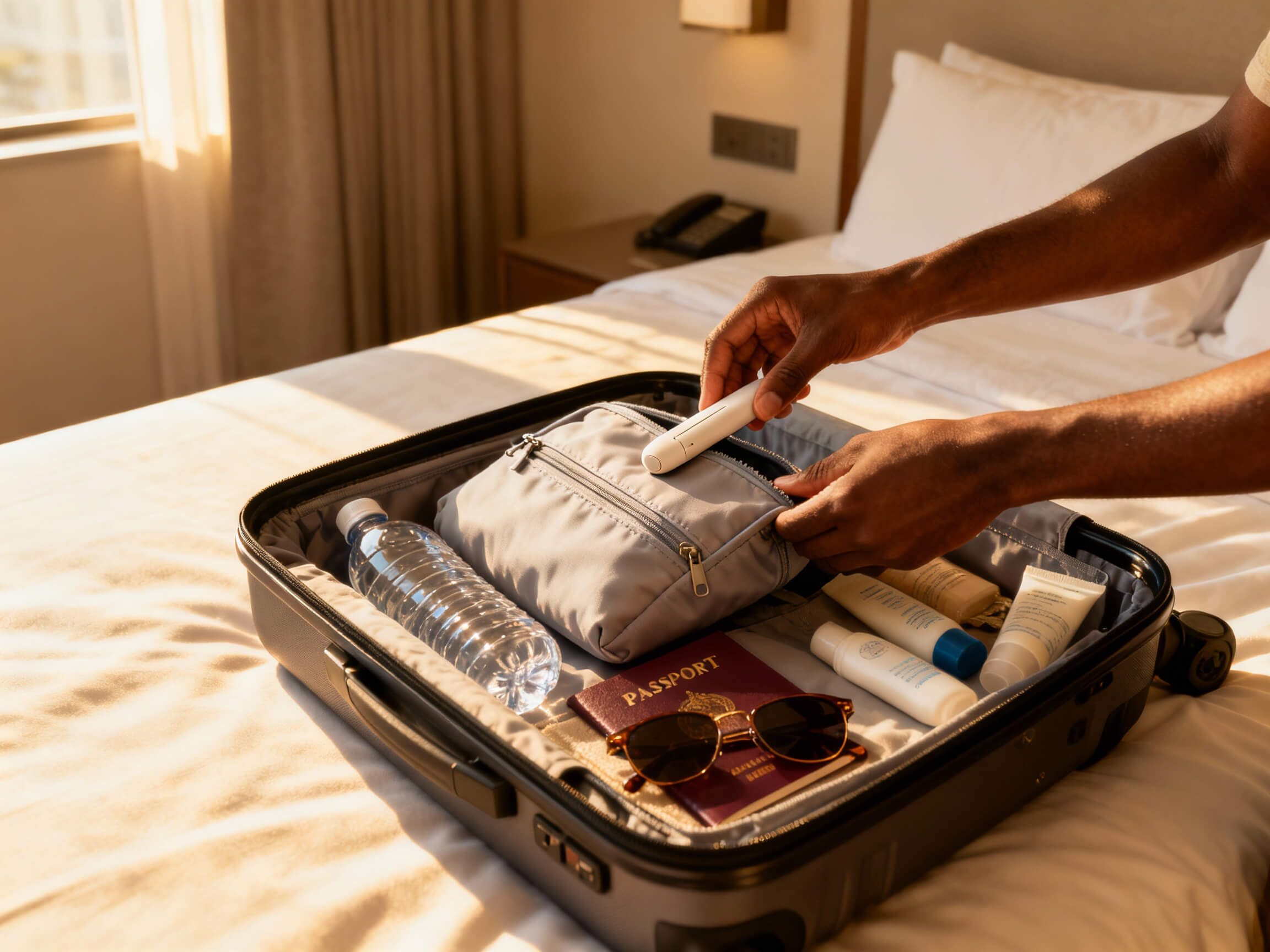
Learn smart strategies to schedule your weekly GLP-1 injection when travelling or during big events—stay on track without disruptions.
Written by
 Lauren Pescarus
Lauren Pescarus is a team member with GLP Winner where she works on marketing, content creation, and operations. She has over 10 years experience in the content creation space, including in the GLP-1 space where she works to stay on top of access news, research updates, and lifestyle tips guided by science.