Stopping a GLP-1? A Small Trial Found Two Kinds of Support Meant Less Weight Regain
Author
Date Published
- Twitter
- Facebook
- LinkedIn
- Instagram
- Copy Link

People stop GLP-1 medicines all the time, because of cost, insurance, side effects or simply wanting to be done with shots. The hard part comes after, since the weight often comes back faster than people expect. A new trial from Tufts University and UT Southwestern tested whether some structure in those first months could slow that down (Newsweek). It's small and early, but the results are hopeful, and they point to a plan you can start building before your last dose.
Who This Helps
This is for anyone who is planning to stop a GLP-1, has already stopped, or worries about what would happen if their coverage ran out. It's also for anyone who wants to keep their results with as little medicine as possible.
What usually happens when you stop
It helps to know what's normal first, because regain is common and it isn't a personal failing. In a follow-up to a large trial, 327 people who stopped semaglutide, the drug in Wegovy, regained about two-thirds of the weight they'd lost within a year (Diabetes, Obesity and Metabolism). In a tirzepatide trial, people who switched to a dummy shot regained 14% of their body weight over about a year, while those who stayed on Zepbound kept losing (JAMA, SURMOUNT-4).
A review of 37 studies from Oxford found that people regained weight faster after stopping weight loss drugs than after ending a diet program. With the newer drugs, regain averaged about 0.8 kg, or close to 2 pounds, a month (University of Oxford). The lead author, Dr. Sam West, said this "isn't a failing of the medicines." He called obesity a long-term condition that tends to come back.
There's some good news in the data too. A Cambridge analysis found that a year after stopping, people had regained about 60% of what they'd lost. Its model projected that they'd keep about a quarter of their loss over the long run (University of Cambridge). That's a projection, and the Oxford team's model pointed instead to a full return to starting weight in about a year and a half (University of Oxford), so the long-term picture is still unsettled.
What the new trial tested
The trial enrolled 39 adults who had lost more than 10% of their body weight on a GLP-1 and had stopped it in the 30 days before joining (ClinicalTrials.gov). Soon after they stopped, each person was placed by chance into one of three groups for four months (Medical Xpress).
- Usual care: whatever care their own doctor would normally give.
- A wellness app: people tracked their food, exercise and weight, and learned about what drives eating, for at least 15 minutes a day (Newsweek).
- Prepared meals: people picked 10 meals a week from a menu of 70 healthy dishes planned by dietitians, and the meals came to their door (Newsweek).
Find a provider in your state
Answer a few questions and see live pricing from the providers that ship where you live.
What it found
The support groups gained back much less weight than the usual care group, though a trial this small can't say how sure we should be. Over four months, the usual care group gained back an estimated 10.75% of their body weight. The app group gained 3.60%, and the meals group gained 3.58% (Medical Xpress).
To put that in pounds, for someone who weighed 200 pounds when they stopped, that's the difference between gaining about 22 pounds and about 7. Those are our own sums, to make the percentages easier to picture. The groups showed no clear difference in diet quality, how healthy people felt, or how happy they were with their program. With so few people, small differences could easily be missed (Medical Xpress).
Dr. Kelseanna Hollis-Hansen of Tufts, the study's corresponding author, said many people don't get much help with habits while on a GLP-1, because the drug curbs hunger so well. When the drug stops and hunger returns, they may not have the tools to manage it, and these programs help fill that gap (Newsweek).
Why we'd read it carefully
This is a pilot, which means a small first test to see whether a bigger study is worth doing. A few things keep it from being the final word:
- It was small. Only 39 people took part, though the team had planned for 60. The registry says funding ran out before the team signed up as many people as it had hoped, and weight wasn't the trial's main planned measure (ClinicalTrials.gov).
- It was short. Four months tells us about the start, not about a year or two later.
- The comparison group gained fast. Gaining nearly 11% of body weight in four months is fast. In the tirzepatide trial above, people on a dummy shot regained 14% over a full year. Regain is usually quickest at first, so some of this may be normal, but it's a reason to watch whether bigger studies find the same gap. That comparison is our own.
An outside expert wasn't so sure. Dr. Caroline Apovian of Brigham and Women's Hospital told Newsweek that preventing regain after GLP-1s is "very difficult if not nearly impossible." She thinks support like this may only be a short-term fix, since nothing in it resets the body's set point the way the drug does (Newsweek). Her view is that healthy meals, behavior support and exercise should be combined for the long haul.
A plan you can borrow from it
You don't need to be in a trial to use the same ideas. Talk with your prescriber before you stop, so you can plan the timing and what comes next. Then think about which kind of structure you'd actually stick with.
- Track something every day. The app group logged food, movement and weight, and also learned about what drives eating. A free app or a notebook may help in the same way, though this trial didn't test that.
- Take the guesswork out of meals. If cooking is where things slip, prepared meals, a meal kit or a few go-to recipes you batch-cook on the weekend may play a similar role.
- Lift something. Dr. Apovian said building muscle with strength training could help. Four medical groups also advise lifting and enough protein during GLP-1 treatment to protect muscle (Patient Care). Walking counts too, as we covered in our walking guide.
- Plan for the first year. Dr. Hollis-Hansen expects the most intensive support is needed in the first year after stopping, when the risk of regain is highest, though she says more research is needed on how long (Newsweek).
It's also fair to say that staying on a GLP-1, or coming back to one, is a reasonable choice and not a failure. If cost is the reason you're stopping, compare cash-pay and coverage options before your last dose, since prices and plans change often (GLP Winner).
Final Takeaway
Weight often comes back after stopping a GLP-1, and that's biology, not weakness. This small trial hints that a tracking app or ready-made healthy meals may help slow regain in the first months. It'll take a bigger, longer study to be sure. If you're planning to stop, line up your support before your last dose, and keep your prescriber in the loop.
If you enjoy posts like these, you can subscribe to receive newsletter updates.
Frequently Asked Questions
How fast do you regain weight after stopping a GLP-1?
It varies, but an Oxford review found regain averaged about 0.8 kg, close to 2 pounds, a month after stopping the newer drugs. In a follow-up to one large trial, people regained about two-thirds of their lost weight within a year of stopping semaglutide.
Can you keep weight off after stopping Wegovy or Zepbound?
Some people keep part of it off. A Cambridge analysis projected that people keep about a quarter of their loss on average, and in a small new trial, people who tracked daily or got prepared meals regained less in the first four months.
Should I taper off my GLP-1 instead of stopping all at once?
Ask your prescriber. None of the research we reviewed tested whether tapering works better than stopping, so the right plan depends on your health, your goals and why you're stopping.
Find a provider in your state
Answer a few questions and see live pricing from the providers that ship where you live.
Keep Reading
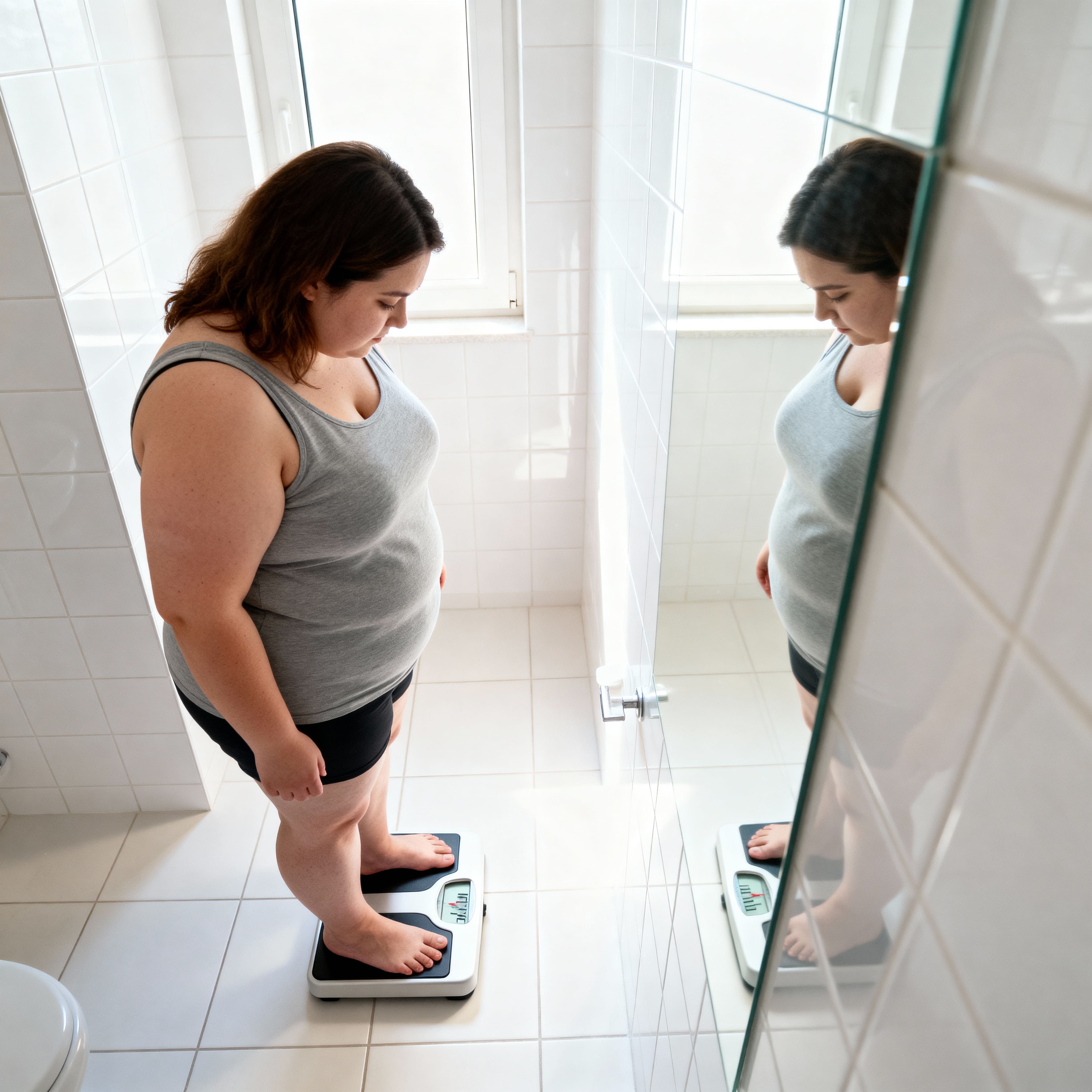
What happens after stopping GLP-1 meds—why rebound happens, what studies show, and how to keep your progress.

Research shows weight regain after stopping Ozempic or Wegovy. See how fast it happens, what else reverses, and what you can do now to keep results.
Most people regain weight after stopping a GLP-1. A 2026 trial found a lower maintenance dose held most of the loss. See the numbers.
Categories
Written by
 Lauren Pescarus
Lauren Pescarus is a team member with GLP Winner where she works on marketing, content creation, and operations. She has over 10 years experience in the content creation space, including in the GLP-1 space where she works to stay on top of access news, research updates, and lifestyle tips guided by science.